4-Hydroxybenzoic Acid → 4-Undecanoyloxybenzoic acid
Reaction equation

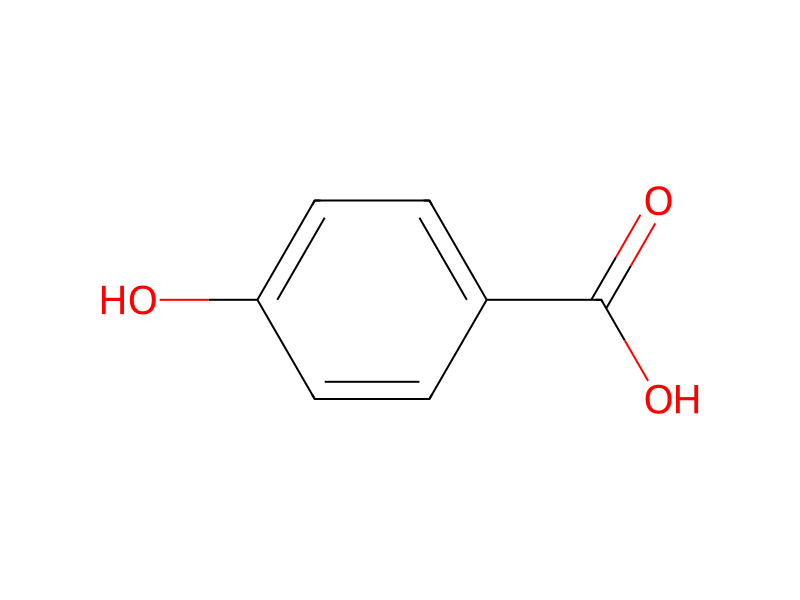
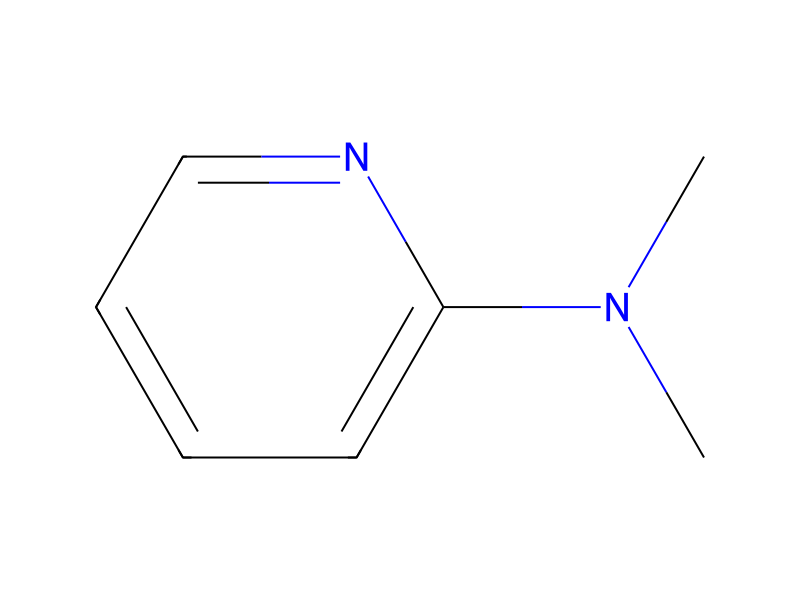
[OH:1][C:2]1[CH:10]=[CH:9][C:5]([C:6]([OH:8])=[O:7])=[CH:4][CH:3]=1.[C:11](Cl)(=[O:22])[CH2:12][CH2:13][CH2:14][CH2:15][CH2:16][CH2:17][CH2:18][CH2:19][CH2:20][CH3:21].CN(C1C=CC=CN=1)C.Cl>ClCCl.C(N(CC)CC)C>[C:11]([O:1][C:2]1[CH:10]=[CH:9][C:5]([C:6]([OH:8])=[O:7])=[CH:4][CH:3]=1)(=[O:22])[CH2:12][CH2:13][CH2:14][CH2:15][CH2:16][CH2:17][CH2:18][CH2:19][CH2:20][CH3:21]Participants
7





Procedure
To a solution of p-hydroxybenzoic acid (3 g) and triethylamine (2.4 g) in dichloromethane (30 ml) were added undecanoyl chloride (4.5 g) and dimethylaminopyridine (0.2 g). The mixture was stirred at room temperature for about 20 hours. After dilute aqueous hydrochloric acid solution was added, an organic layer was separated by a funnel. After the solution was distilled to remove the solvent, the residue was washed with n-hexane and dried to obtain the titled compound (about 5 g).
Workup
- customan organic layer was separated by a funnel
- distillationAfter the solution was distilled
- customto remove the solvent
- washthe residue was washed with n-hexane
- customdried
Sources & evidence
- ORD record
- ord-95f5ab90248642f89e9fa8c60e1b1a59
- Source dataset
- uspto-grants-1993_05
- Patent number
- US05207947
Reaction notes
Loading…