2-Naphthalenethiol → HCID 19764842, compound
Reaction equation

[CH:1]1[C:10]2[C:5](=[CH:6][CH:7]=[CH:8][CH:9]=2)[CH:4]=[CH:3][C:2]=1[SH:11].I[C:13]1[CH:14]=[C:15]([Br:19])[CH:16]=[CH:17][CH:18]=1.C(=O)([O-])[O-].[K+].[K+]>CN(C=O)C>[CH:1]1[C:10]2[C:5](=[CH:6][CH:7]=[CH:8][CH:9]=2)[CH:4]=[CH:3][C:2]=1[S:11][C:13]1[CH:18]=[CH:17][CH:16]=[C:15]([Br:19])[CH:14]=1Participants
5
Reactant 3


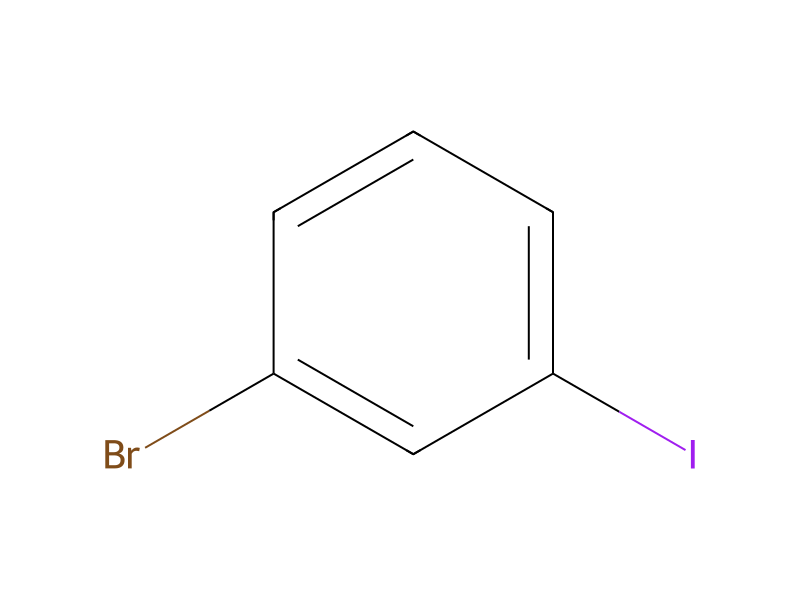
Product 1

Reagents, catalysts & solvents 1

Procedure
A mixture of 2-naphthalenethiol (3.2 g), 3-iodobromobenzene (6.7 g), potassium carbonate (1.4 g), cuprous chloride (0.4 g) and DMF (4 ml) was heated to reflux for 1 hour. The mixture was allowed to cool to ambient temperature and was partitioned between diethyl ether and water. The mixture was filtered and the organic layer was separated, dried (MgSO4) and evaporated. The residue was taken up in ethyl acetate, decolourised by treatment with charcoal, reisolated and purified by recrystallisation from methanol to give 3-bromophenyl 2-naphthyl sulphide (3.9 g, 65%), m.p. 68°-70° C.
Workup
- temperaturewas heated
- temperatureto reflux for 1 hour
- customwas partitioned between diethyl ether and water
- filtrationThe mixture was filtered
- customthe organic layer was separated
- dry with materialdried (MgSO4)
- customevaporated
- custompurified by recrystallisation from methanol
Sources & evidence
- ORD record
- ord-69f3eb601ec740ffa3305c0eb3cae87a
- Source dataset
- uspto-grants-1993_05
- Patent number
- US05208259
Reaction notes
Loading…