o-Fluorobenzaldehyde → 2-(2-Fluorophenyl)-6-nitro-1,3-benzodioxan
Reaction equation

[OH:1][C:2]1[CH:9]=[CH:8][C:7]([N+:10]([O-:12])=[O:11])=[CH:6][C:3]=1[CH2:4][OH:5].[F:13][C:14]1[CH:21]=[CH:20][CH:19]=[CH:18][C:15]=1[CH:16]=O>C(OCC)(=O)C.C(O)(=O)C1C=CC=CC=1>[F:13][C:14]1[CH:21]=[CH:20][CH:19]=[CH:18][C:15]=1[CH:16]1[O:1][C:2]2[CH:9]=[CH:8][C:7]([N+:10]([O-:12])=[O:11])=[CH:6][C:3]=2[CH2:4][O:5]1Participants
5
Reactant 2


Product 1

Reagents, catalysts & solvents 2
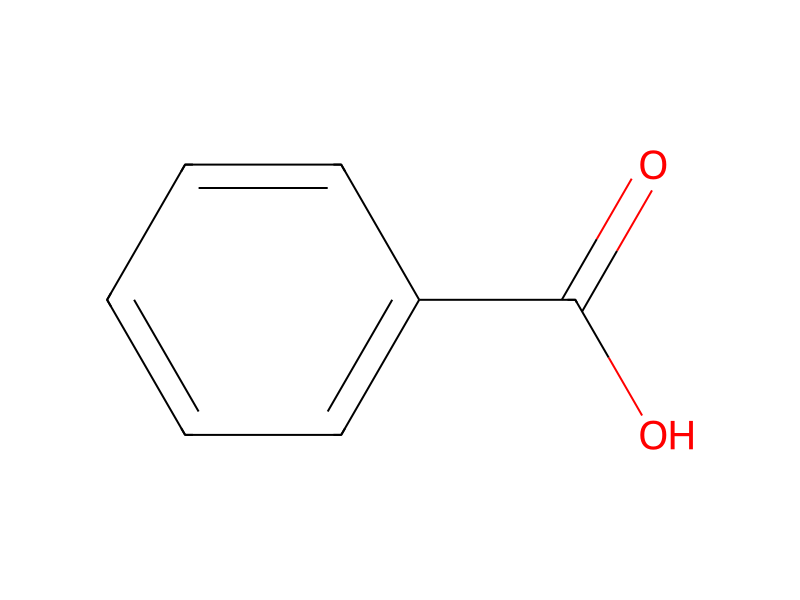

Conditions
- Temperature
- 5 °C
Procedure
An intimate mixture of 2-hydroxy-5-nitrobenzyl alcohol (4.56g), 2-fluorobenzaldehyde (4.02g) and benzoic acid (0.2g) was stirred and heated to 90° C. (±5° C.) under nitrogen for 31/2 hours. The resulting clear reaction mixture was left to cool for two days whereupon it solidified. This material was dissolved in ethyl acetate (250 ml) and the solution was washed with saturated aqueous sodium bicarbonate, 20% aqueous sodium bisulphite and then with water. The organic phase was dried over sodium sulphate and evaporated to yield the crude product as a solid residue which was purified by suspending briefly in hot ethanol and cooling to 0°-5° C. The pure product was thus obtained as a white crystalline powder (5.3g, 71%), mp 137°-138° C.
Workup
- waitThe resulting clear reaction mixture was left
- temperatureto cool for two days whereupon it
- washthe solution was washed with saturated aqueous sodium bicarbonate, 20% aqueous sodium bisulphite
- dry with materialThe organic phase was dried over sodium sulphate
- customevaporated
- customto yield the crude product as a solid residue which
- customwas purified
- temperaturecooling to 0°-5° C
Sources & evidence
- ORD record
- ord-11223fd4d4f44dee9296bb6f86e70e14
- Source dataset
- uspto-grants-1993_05
- Patent number
- US05212171
Reaction notes
Loading…