Dichloromethane → Benzeneacetyl chloride, 4-bromo-
Reaction equation

[C:1](Cl)(=O)[C:2]([Cl:4])=[O:3].[Br:7][C:8]1[CH:13]=[CH:12][C:11](CC(O)=O)=[CH:10][CH:9]=1.C(Cl)Cl>CN(C)C=O>[Br:7][C:8]1[CH:13]=[CH:12][C:11]([CH2:1][C:2]([Cl:4])=[O:3])=[CH:10][CH:9]=1Participants
5
Reactant 3


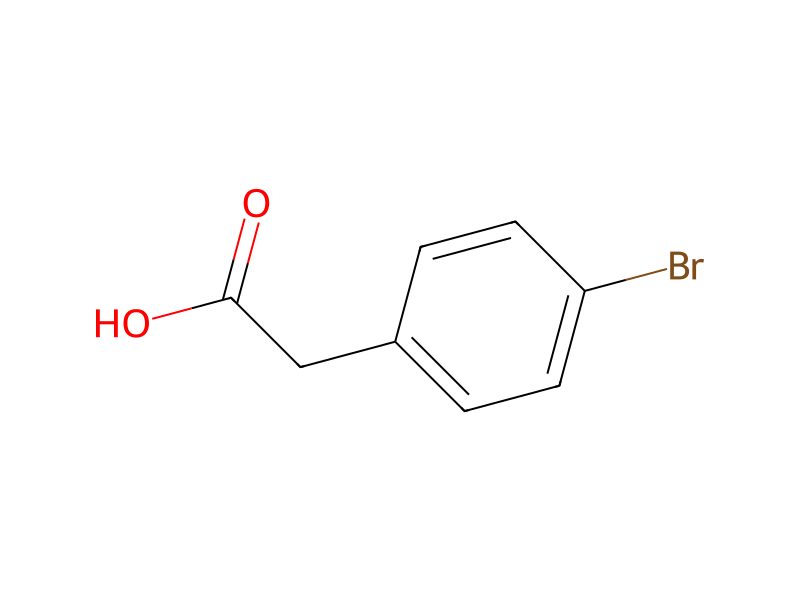
Product 1

Reagents, catalysts & solvents 1

Procedure
Initially, oxalyl chloride is added to an equimolar amount of p-bromophenylacetic acid (C) in an inert solvent, preferably methylene chloride, at about room temperature, with a catalytic amount of dimethylformamide. The mixture is stirred for about 30 minutes, after which the product, p-bromophenylacetyl chloride (D), is isolated by conventional means.
Sources & evidence
- ORD record
- ord-edd622c9f56949f0b1e2115c583547d4
- Source dataset
- uspto-grants-1993_05
- Patent number
- US05212195
Reaction notes
Loading…