4-Chlorophenol → 4-(4-Chloro-phenoxy)-phthalonitrile
Reaction equation

[N+]([C:4]1[CH:5]=[C:6]([C:12]#[N:13])[C:7](=[CH:10][CH:11]=1)[C:8]#[N:9])([O-])=O.[Cl:14][C:15]1[CH:20]=[CH:19][C:18]([OH:21])=[CH:17][CH:16]=1.C(=O)([O-])[O-].[K+].[K+]>CC(C)=O>[Cl:14][C:15]1[CH:20]=[CH:19][C:18]([O:21][C:4]2[CH:5]=[C:6]([C:12]#[N:13])[C:7](=[CH:10][CH:11]=2)[C:8]#[N:9])=[CH:17][CH:16]=1Participants
5
Reactant 3
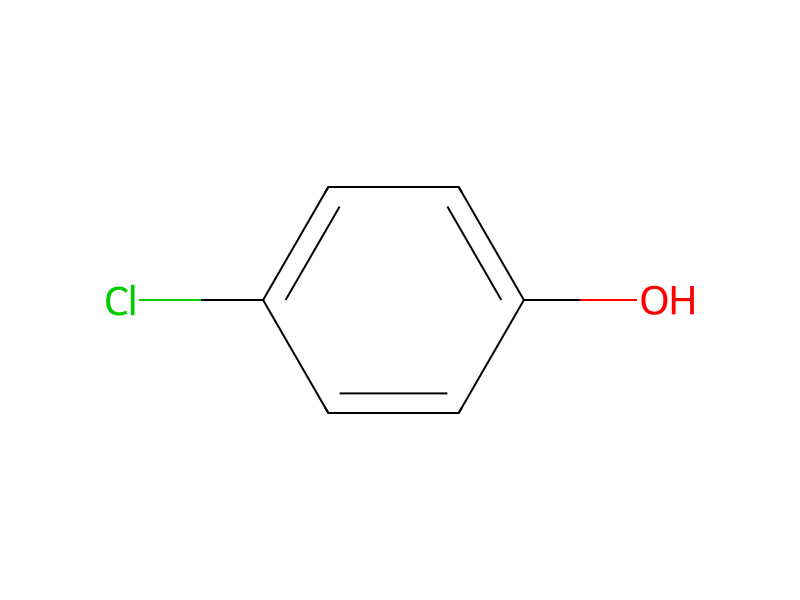


Product 1

Reagents, catalysts & solvents 1

Procedure
A mixture of 4-nitrophthalonitrile (5.0 g), 4-chlorophenol (3.13 ml) and potassium carbonate (7.99 g) in acetone (87 ml) was refluxed for 3 h. After filtration and concentration, the residue was dissolved in ethyl acetate (100 ml). The solution was washed with NaOH (1N, 50 ml×3) and brine. The organic layer was dried, filtered, concentrated and diluted with dichloromethane. Filtration and rinse through a pad of silica gel gave 5.7 g of the title compound. 1H NMR (200 MHz, DMSO) δ 8.09 (d, J=9 Hz, 1H), 7.83 (d, J=2.6, 1H), 7.53 (d, J=8.6 Hz, 2H), 7.42 (dd, J=2.8, 8.6 Hz, 1H), 7.24 (d, J=8.6, 2H).
Workup
- temperaturewas refluxed for 3 h
- filtrationAfter filtration and concentration
- dissolutionthe residue was dissolved in ethyl acetate (100 ml)
- washThe solution was washed with NaOH (1N, 50 ml×3) and brine
- customThe organic layer was dried
- filtrationfiltered
- concentrationconcentrated
- additiondiluted with dichloromethane
- filtrationFiltration
- washrinse through a pad of silica gel
Sources & evidence
- ORD record
- ord-b2e6b7334ea444c7886d33bcaffb6717
- Source dataset
- uspto-grants-2011_01
- Patent number
- US07863292B2
Reaction notes
Loading…