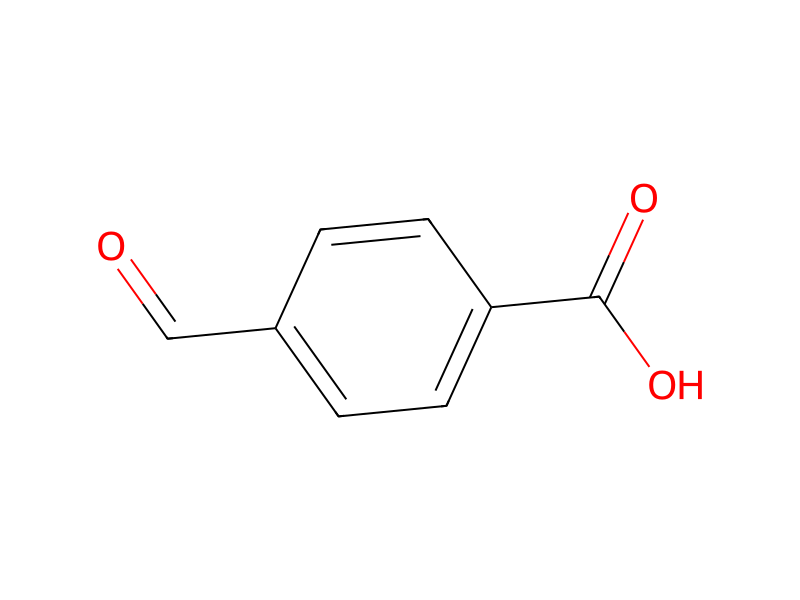
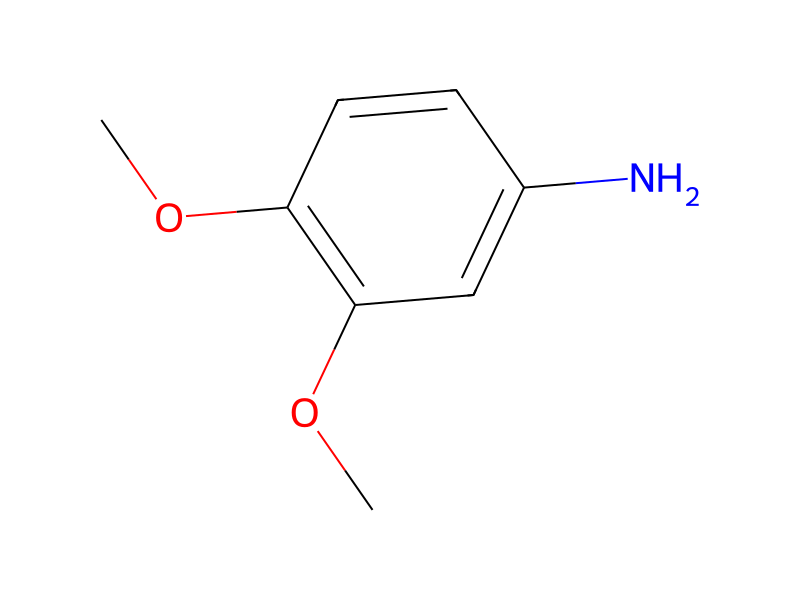
4-Formylbenzoic acid → 4-[(3,4-Dimethoxyphenylamino)-methyl]-benzoic Acid
Reaction equation

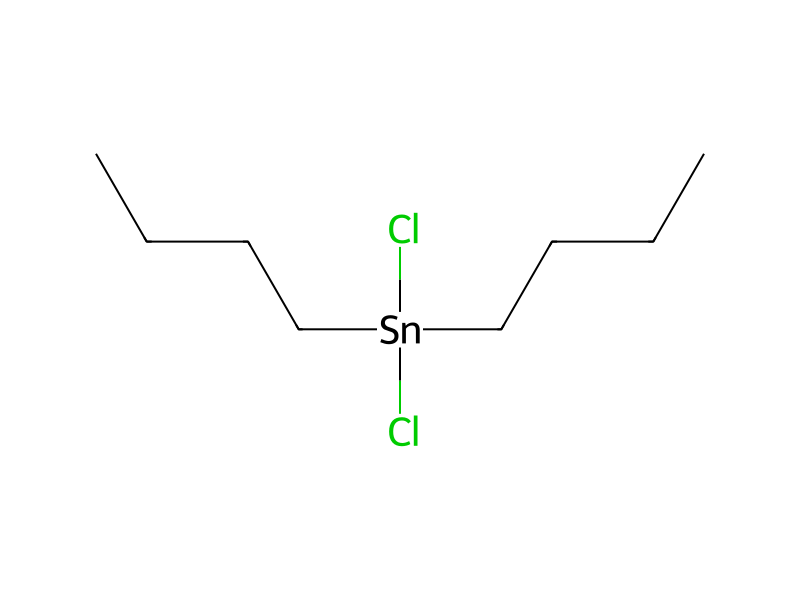
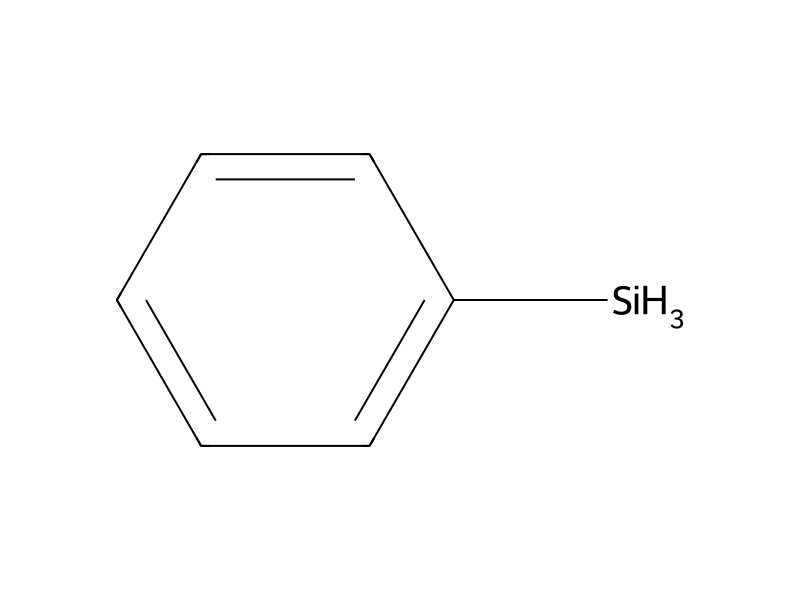
[NH2:1][C:2]1[CH:3]=[C:4]([O:10][CH3:11])[C:5]([O:8][CH3:9])=[CH:6][CH:7]=1.[CH:12]([C:14]1[CH:22]=[CH:21][C:17]([C:18]([OH:20])=[O:19])=[CH:16][CH:15]=1)=O.C([Sn](Cl)(Cl)CCCC)CCC.C1([SiH3])C=CC=CC=1>C1COCC1.CC(N(C)C)=O>[CH3:11][O:10][C:4]1[CH:3]=[C:2]([NH:1][CH2:12][C:14]2[CH:22]=[CH:21][C:17]([C:18]([OH:20])=[O:19])=[CH:16][CH:15]=2)[CH:7]=[CH:6][C:5]=1[O:8][CH3:9]Participants
7
Reactant 4
Product 1

Reagents, catalysts & solvents 2


Procedure
In a 50 ml flask, a mixture of 4-aminoveratrole (1.53 g, 10 mmol), 4-formyl-benzoic acid (1.50 g, 10 mmol), dibutyltin dichloride (304 mg, 1 mmol), phenylsilane (2.47 ml, 20 mmol) in anhydrous THF (10 mL) and DMA (10 ml) was stirred overnight. at room temperature. After solvents removal, the crude residue was dissolved in ethyl acetate (100 ml) and then washed with saturated aqueous solution of NaHCO3 (50 ml×3). The combined aqueous layers were acidified with 6% of NaHSO4 to pH=4. The resulting white suspension was filtrated and then the filter cake was washed with water (5 ml×3). The cake was dried over freeze dryer to afford acid (1.92 g, 67%) white solid product. LRMS=288 (MH)+.
Workup
- customat room temperature
- customAfter solvents removal
- dissolutionthe crude residue was dissolved in ethyl acetate (100 ml)
- washwashed with saturated aqueous solution of NaHCO3 (50 ml×3)
- filtrationThe resulting white suspension was filtrated
- washthe filter cake was washed with water (5 ml×3)
- customThe cake was dried over freeze dryer
Sources & evidence
- ORD record
- ord-d017c17079b74955a1c8d74d8fe0dc31
- Source dataset
- uspto-grants-2011_01
- Patent number
- US07868204B2
Reaction notes
Loading…