Water → 2-Hydroxyquinoline
Reaction equation

C([C:4]1[CH:5]=[C:6]2[C:11](=[CH:12][C:13]=1O)[N:10](CC1C=CC=CC=1)[CH:9]=[CH:8][C:7]2=O)(=O)C.C(=O)([O-])[O-:24].[K+].[K+].BrCC=C.O>CN(C)C=O>[NH:10]1[C:11]2[C:6](=[CH:5][CH:4]=[CH:13][CH:12]=2)[CH:7]=[CH:8][C:9]1=[O:24]Participants
6
Reactant 4

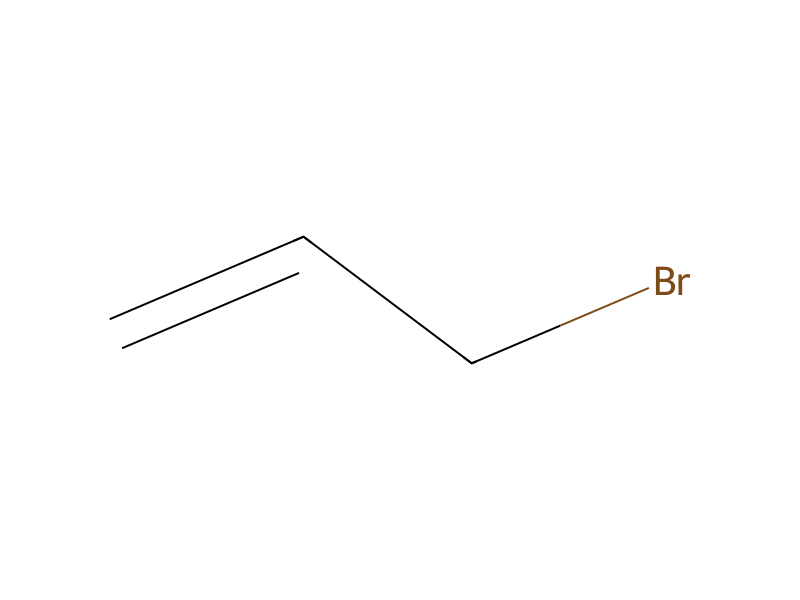


Product 1

Reagents, catalysts & solvents 1

Procedure
A mixture of 6-acetyl-7-hydroxy-1-phenylmethyl-4(1H)-quinolinone (6.3 g, 21.5 mmol), anhydrous potassium carbon- ate (2.97 g, 21.5 mmol) and 3-bromopropene (2.86 g, 2.36 mmol) was stirred at room temperature in dry dimethylformamide (100 ml) for 18 hours. The mixture was poured into a large excess of water and was stirred rapidly for 1 hour. The solid produced was filtered off and washed well with water. The yellow solid was dried to give the required quino- lone as a yellow powder 6.2 g (87%) mp 139°-140°.
Workup
- customThe solid produced
- filtrationwas filtered off
- washwashed well with water
- customThe yellow solid was dried
Sources & evidence
- ORD record
- ord-22351d1d31c740af9bff5c2ec008a86c
- Source dataset
- uspto-grants-1987_10
- Patent number
- US04698345
Reaction notes
Loading…