Potassium Carbonate → diazo bis-(4-chloro-phenyl)-methane
Reaction equation

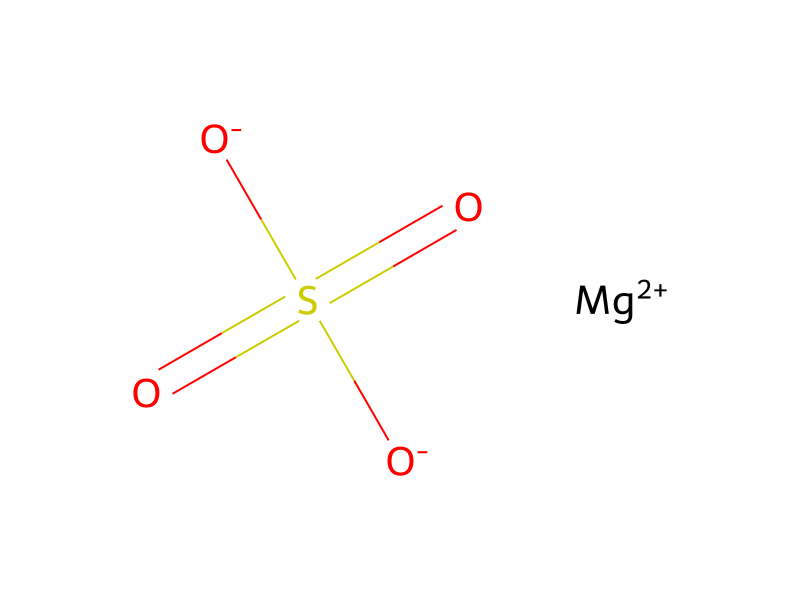
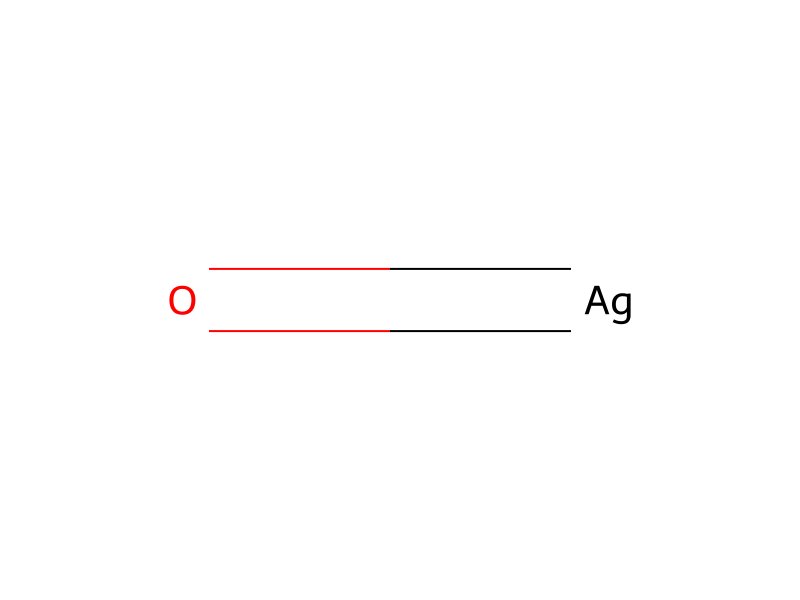
[Cl:1][C:2]1[CH:17]=[CH:16][C:5]([C:6](=[N:14][NH2:15])[C:7]2[CH:12]=[CH:11][C:10]([Cl:13])=[CH:9][CH:8]=2)=[CH:4][CH:3]=1.S([O-])([O-])(=O)=O.[Mg+2].C(=O)([O-])[O-].[K+].[K+]>C(Cl)Cl.[Ag]=O>[Cl:1][C:2]1[CH:17]=[CH:16][C:5]([C:6]([C:7]2[CH:12]=[CH:11][C:10]([Cl:13])=[CH:9][CH:8]=2)=[N+:14]=[N-:15])=[CH:4][CH:3]=1Participants
6




Procedure
To a stirred ice-cold solution of 4,4'-dichlorobenzophenone hydrazone (1.303 g) in dry methylene chloride (20 ml) was added magnesium sulfate (590 mg), silver oxide (1.196 g) was added in one portion followed by potassium carbonate (30 mg). The mixture was stirred at ice-temperature for 1 hour, then at room temperature for an additional hour, filtered through Celite to give a dark purple solution which was directly used for the cycloaddition reaction.
Workup
- additionwas added in one portion
- waitat room temperature for an additional hour
- filtrationfiltered through Celite
- customto give a dark purple solution which
- customwas directly used for the cycloaddition reaction
Sources & evidence
- ORD record
- ord-44f5373d2a204d62bb072eaeceaa1a57
- Source dataset
- uspto-grants-1993_11
- Patent number
- US05264430
Reaction notes
Loading…