Sodium Chloride → Anthraquinone
Reaction equation

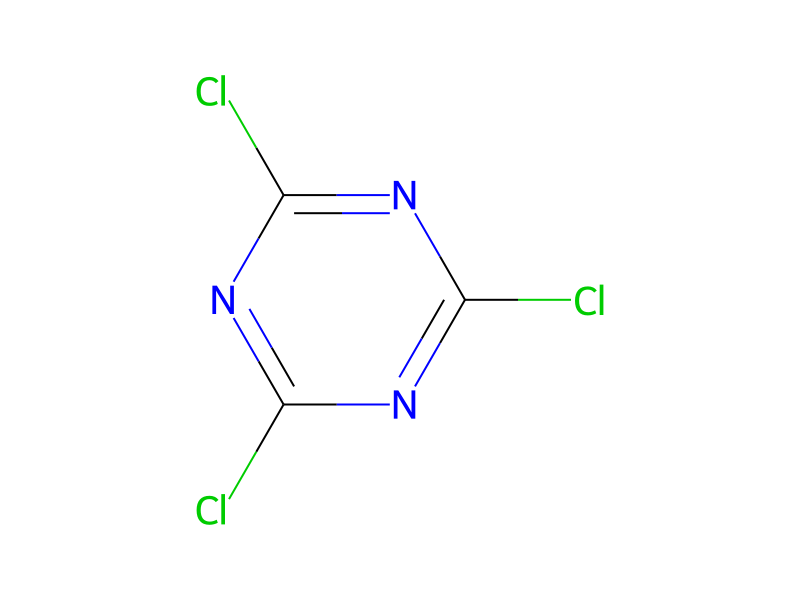
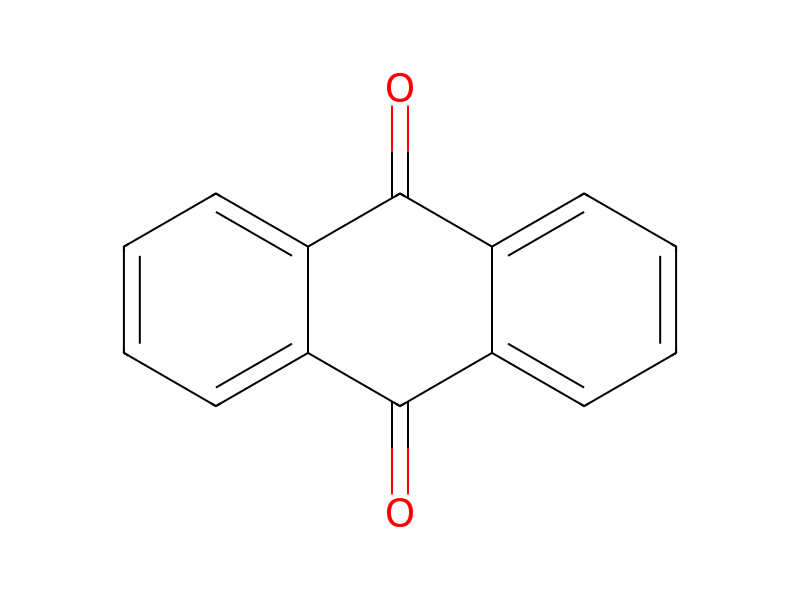
N[C:2]1[C:15]2[C:14](=[O:16])[C:13]3[C:8](=[CH:9][CH:10]=[CH:11][CH:12]=3)[C:7](=[O:17])[C:6]=2[C:5](SC2C=CC(S(O)(=O)=O)=CC=2)=[CH:4][C:3]=1OC1C=CC(S(O)(=O)=O)=C(N)C=1.N1C(Cl)=NC(Cl)=NC=1Cl.[Cl-].[Na+]>>[CH:9]1[C:8]2[C:7](=[O:17])[C:6]3[C:15](=[CH:2][CH:3]=[CH:4][CH:5]=3)[C:14](=[O:16])[C:13]=2[CH:12]=[CH:11][CH:10]=1Participants
4


Procedure
1-Amino-2-(3'-amino-4'-sulfophenoxy)-4-(4'-sulfophenylthio)anthraquinone (6 parts) and cyanuric chloride (1.8 parts) were subjected to condensation reaction in an aqueous medium in a conventional manner, followed by a condensation reaction with 1-aminobenzene-3-β-sulfatoethylsulfone (2.8 parts) at 20° to 40° C. under weak acid conditions. Thereafter, salting out of the reaction mixture with sodium chloride gave an anthraquinone compound of the following formula (free acid form). ##STR27##
Sources & evidence
- ORD record
- ord-40c4fa00ea064fb59dd665e6b64bf04c
- Source dataset
- uspto-grants-1993_11
- Patent number
- US05266696
Reaction notes
Loading…