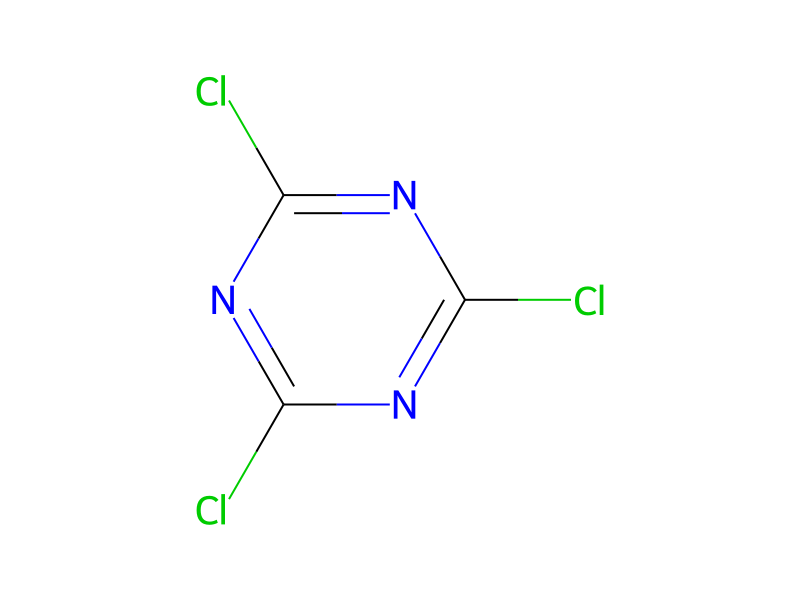
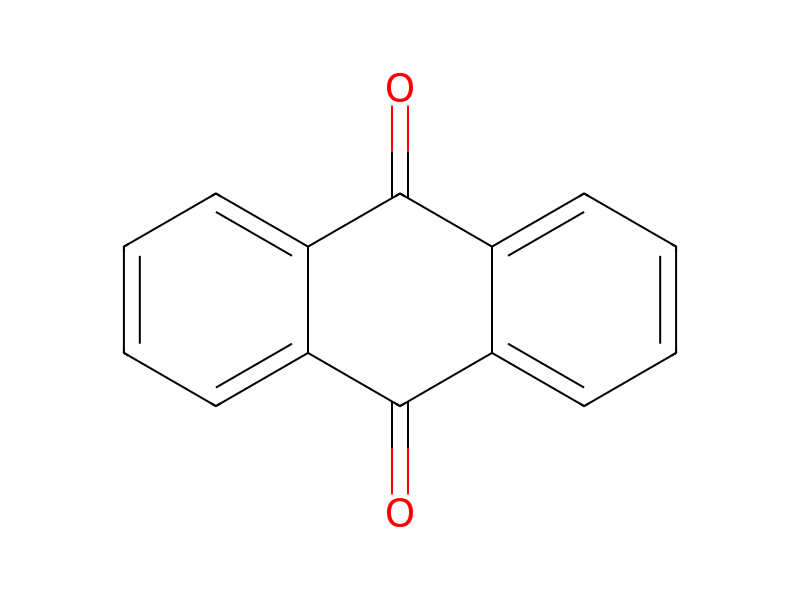
Cyanuric chloride → Anthraquinone
Reaction equation

N[C:2]1[C:15]2[C:14](=[O:16])[C:13]3[C:8](=[CH:9][CH:10]=[CH:11][CH:12]=3)[C:7](=[O:17])[C:6]=2[C:5](SC2C=CC(S(O)(=O)=O)=CC=2)=[CH:4][C:3]=1OC1C=CC(S(O)(=O)=O)=C(N)C=1.N1C(Cl)=NC(Cl)=NC=1Cl>>[CH:9]1[C:8]2[C:7](=[O:17])[C:6]3[C:15](=[CH:2][CH:3]=[CH:4][CH:5]=3)[C:14](=[O:16])[C:13]=2[CH:12]=[CH:11][CH:10]=1Participants
3

Procedure
Example 5 was repeated, except that the compounds shown in 1st and 2nd columns of the following table were used in place of the 1-amino-2-(3'-amino-4'-sulfophenoxy)-4-(4-sulfophenylthio)anthraquinone and cyanuric chloride, respectively, thereby obtaining a corresponding anthraquinone compound. The color shade obtained by dyeing cotton with the compound is as shown in a 3rd column of the table. Each compound can exhibit superior dye performances as described hereinabove.
Sources & evidence
- ORD record
- ord-94fa9a4c618a418fa0bc574045c097f6
- Source dataset
- uspto-grants-1993_11
- Patent number
- US05266696
Reaction notes
Loading…