Water → HCID 12340629, compound
Reaction equation

[OH:1][C:2]1[CH:7]=[CH:6][CH:5]=[CH:4][C:3]=1[N:8]1[CH:12]=[CH:11][CH:10]=[CH:9]1.[C:13]([O:18][CH2:19][CH3:20])(=[O:17])[C:14]([CH3:16])=O.C1(C)C=CC(S(O)(=O)=O)=CC=1.O>C1C=CC=CC=1>[CH2:19]([O:18][C:13]([C:14]1([CH3:16])[C:9]2=[CH:10][CH:11]=[CH:12][N:8]2[C:3]2[CH:4]=[CH:5][CH:6]=[CH:7][C:2]=2[O:1]1)=[O:17])[CH3:20]Participants
6
Reactant 4


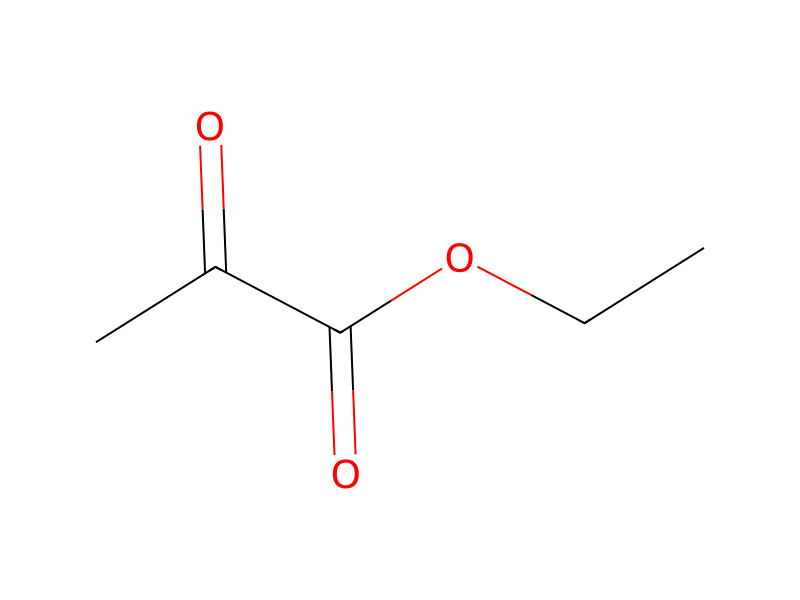

Product 1

Reagents, catalysts & solvents 1

Procedure
A solution of the compound of formula 2, N-(2-hydroxyphenyl)pyrrole (18 g), described in Example 1, ethyl pyruvate (13 g) and p-toluenesulfonic acid (1.8 g) in benzene (1.2 1) is stirred and heated at reflux with a Dean-Stark water trap for 30 min. The reaction mixture is allowed to cool and stand at room temperature for 18 hr. The mixture is filtered and the filtrate is washed with 5% NaHCO3, water, saturated brine solution, and then dried (MgSO4). The solvent is evaporated and the remaining material is adsorbed on a silica gel column. Elution with chloroform gives 4-methyl-4H-pyrrolo[2,1-c][1,4]benzoxazine-4-carboxylic acid ethyl ester, νmaxCHCl3 1,735, 1,605, 1,510, 1,345, 1,125, 1,095 cm-1.
Workup
- temperatureheated
- temperatureto cool
- filtrationThe mixture is filtered
- washthe filtrate is washed with 5% NaHCO3, water, saturated brine solution
- dry with materialdried (MgSO4)
- customThe solvent is evaporated
- washElution with chloroform
Sources & evidence
- ORD record
- ord-117378db737640768bf03a1b9a5540dc
- Source dataset
- uspto-grants-1977_07
- Patent number
- US04035495
Reaction notes
Loading…