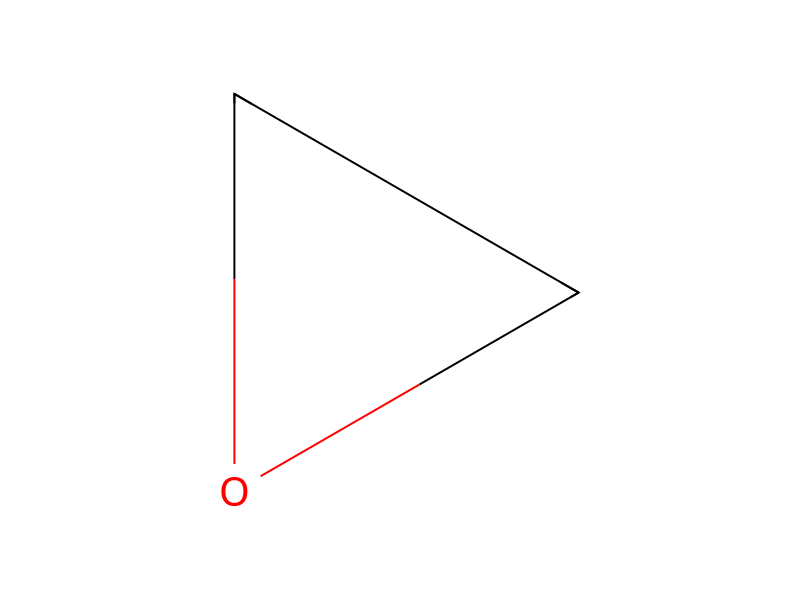
Ethylene Oxide → Octadecyl sulfide
Reaction equation

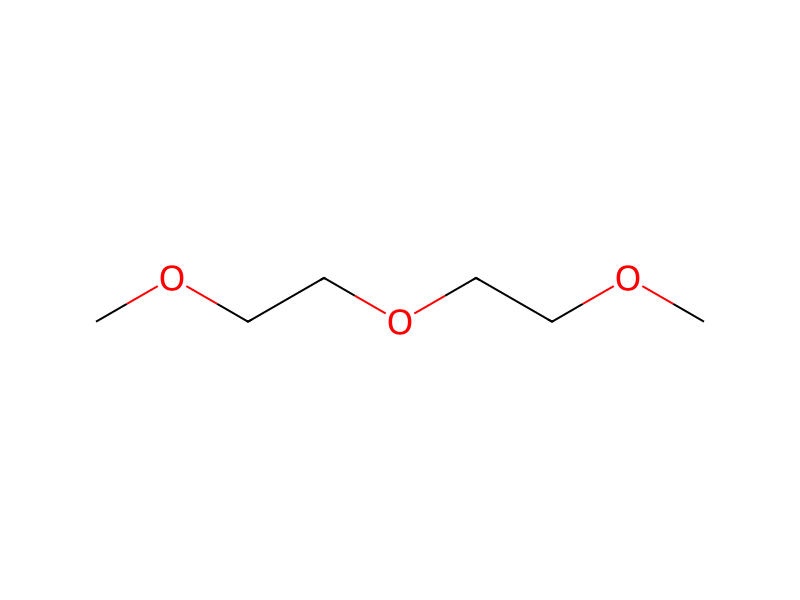
[CH2:1]([SH:19])[CH2:2][CH2:3][CH2:4][CH2:5][CH2:6][CH2:7][CH2:8][CH2:9][CH2:10][CH2:11][CH2:12][CH2:13][CH2:14][CH2:15][CH2:16][CH2:17][CH3:18].[Na].[CH2:21]1O[CH2:22]1>COCCOCCOC>[CH2:1]([S:19][CH2:16][CH2:15][CH2:14][CH2:13][CH2:12][CH2:11][CH2:10][CH2:9][CH2:8][CH2:7][CH2:6][CH2:5][CH2:4][CH2:3][CH2:2][CH2:1][CH2:21][CH3:22])[CH2:2][CH2:3][CH2:4][CH2:5][CH2:6][CH2:7][CH2:8][CH2:9][CH2:10][CH2:11][CH2:12][CH2:13][CH2:14][CH2:15][CH2:16][CH2:17][CH3:18]Participants
5
Reactant 3


Product 1

Reagents, catalysts & solvents 1
Procedure
1-Octadecanethiol, 250 g. (0.87 mole), was dissolved in 250 ml of bis-(2-methoxyethyl) ether. Three grams (0.13 mole) of cut sodium spheres were added and the reaction mixture was transferred to a rocking autoclave and ~462 g. of ethylene oxide was bled into the autoclave over a period of 3 hours at 140°-160° C. The maximum pressure observed was 540 lbs. After all the ethylene oxide had been added, rocking was continued for an additional hour. The mixture was cooled, the bis-(2-methoxyethyl) ether was evaporated under reduced pressure, and the residue crystallized from hexane to give a white solid in 65% yield based on the octadecane thiol.
Workup
- waitrocking was continued for an additional hour
- temperatureThe mixture was cooled
- customthe bis-(2-methoxyethyl) ether was evaporated under reduced pressure
- customthe residue crystallized from hexane
- customto give a white solid in 65% yield
Sources & evidence
- ORD record
- ord-4c11b15402834f9cb6dfb151772ba2e9
- Source dataset
- uspto-grants-1979_08
- Patent number
- US04165334
Reaction notes
Loading…