Ammonium Hydroxide → HCID 20394933, compound
Reaction equation

[ClH:1].[C:2]([C:9]1[C:19]2[CH2:18][CH2:17][NH:16][CH2:15][CH:14]([C:20]3[CH:25]=[CH:24][CH:23]=[CH:22][CH:21]=3)[C:13]=2[CH:12]=[C:11]([O:26]C)[C:10]=1[O:28]C)([O:4][CH2:5][CH2:6][CH2:7][CH3:8])=[O:3].[OH-].[NH4+].O=C1O[C@H]([C@H](CO)O)C(O)=C1O.C(=O)([O-])[O-]>C(Cl)Cl.B(Br)(Br)Br>[ClH:1].[C:2]([C:9]1[C:19]2[CH2:18][CH2:17][NH:16][CH2:15][CH:14]([C:20]3[CH:25]=[CH:24][CH:23]=[CH:22][CH:21]=3)[C:13]=2[CH:12]=[C:11]([OH:26])[C:10]=1[OH:28])([O:4][CH2:5][CH2:6][CH2:7][CH3:8])=[O:3]Participants
7






Procedure
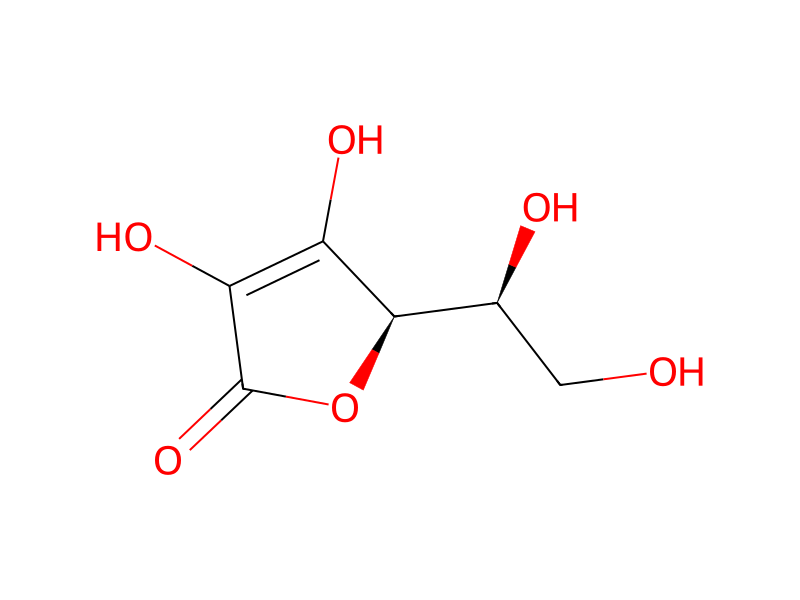
The product from Examples 3 (5.7 g, 0.0136 mole) was dissolved in 500 ml of methylene chloride with 5.1 ml of boron tribromide at -15°. After 4 hours, 25 ml of conc. ammonium hydroxide was added with a small amount of ascorbic acid. The pH was taken to 8 with carbonate solution. The water layer was separated and extracted with ethyl acetate using sodium chloride to salt out the product which was collected and stirred with dilute hydrochloric acid overnight. The mixture was filtered. The filtrate was stripped until a solid formed. Cooling gave the desired 6-carbobutoxy-7,8-dihydroxy-1-phenyl-2,3,4,5-tetrahydro-1H-3-benzazepine hydrochloride, m.p. 217°-220° (dec.).
Workup
- customThe water layer was separated
- extractionextracted with ethyl acetate
- customwas collected
- filtrationThe mixture was filtered
- customformed
- temperatureCooling
Sources & evidence
- ORD record
- ord-84276e8452984123bcf47770fb13c4c0
- Source dataset
- uspto-grants-1979_08
- Patent number
- US04165372
Reaction notes
Loading…