Acetaldehyde → 2,3,6-Trimethylpyridine
Reaction equation

C=O.C(=O)C.C(=O)CC.N.N1C=CC=C(C)C=1.N1C=C(C)C=C(C)C=1.N1C(C)=CC=CC=1C.[CH2:34]([C:36]1[C:41]([CH3:42])=[CH:40][CH:39]=[C:38]([CH2:43]C)[N:37]=1)C>CC(CC)=O.C(C(CC)=O)C.CC(C)=O.N1C=CC=CC=1>[CH3:34][C:36]1[C:41]([CH3:42])=[CH:40][CH:39]=[C:38]([CH3:43])[N:37]=1Participants
Reactant 8





Product 1

Reagents, catalysts & solvents 4




Procedure
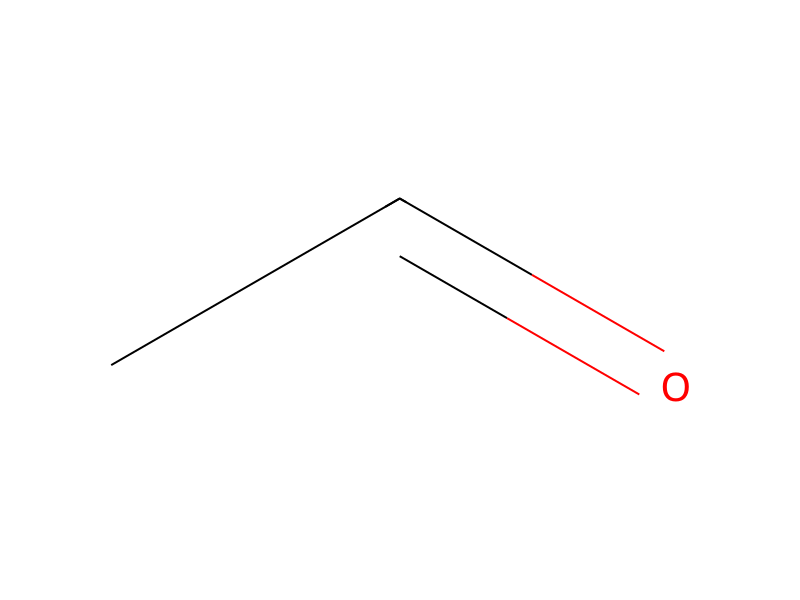
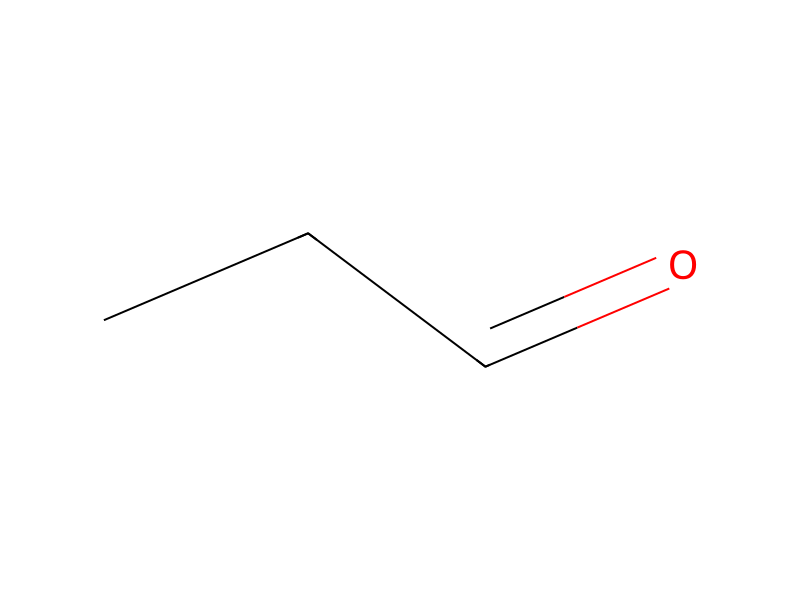
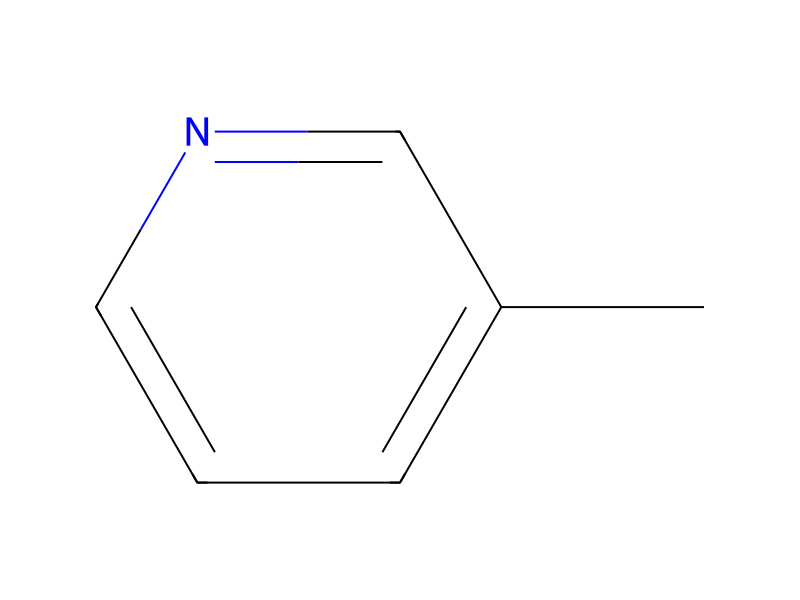
Such pyridine bases as pyridine, picoline, lutidine, collidine, etc. can be produced in the present invention. For example, when formaldehyde and acetaldehyde are used together with ammonia, pyridine and 3-picoline are obtained. When formaldehyde and propionaldehyde are used together with ammonia, 3,5-lutidine and a small amount of 3-picoline are obtained. When formaldehyde, acetaldehyde and propionaldehyde are used together with ammonia, pyridine, 3-picoline and 3,5-lutidine are obtained. Further, when formaldehyde and acetone are used together with ammonia, 2,6-lutidine is principally obtained. When diethylketone or methylethylketone is used together with ammonia, 2,6-diethyl-3-methylpyridine or 2,3,6-trimethylpyridine is obtained.
Workup
- customare obtained
- customis principally obtained
Sources & evidence
- ORD record
- ord-a7edcba52f3744a184e486304a755982
- Source dataset
- uspto-grants-1976_03
- Patent number
- US03946020
Reaction notes
Loading…