Potassium Carbonate → 2-tert-Butylaniline
Reaction equation

[C:1]([C:5]1[CH:11]=[CH:10][CH:9]=[CH:8][C:6]=1[NH2:7])([CH3:4])([CH3:3])[CH3:2].[CH3:12][CH:13]1[O:17][CH2:16][CH:15]([CH2:18]Cl)[O:14]1.C(=O)([O-])[O-].[K+].[K+]>[Cl-].C([N+](CC)(CC)CC)C>[CH3:12][CH:13]1[O:17][CH2:16][CH:15]([CH2:18][NH:7][C:6]2[CH:8]=[CH:9][CH:10]=[CH:11][C:5]=2[C:1]([CH3:4])([CH3:2])[CH3:3])[O:14]1.[C:1]([C:5]1[CH:11]=[CH:10][CH:9]=[CH:8][C:6]=1[NH2:7])([CH3:4])([CH3:2])[CH3:3]Participants
6
Reactant 3



Product 2

Reagents, catalysts & solvents 1
Procedure
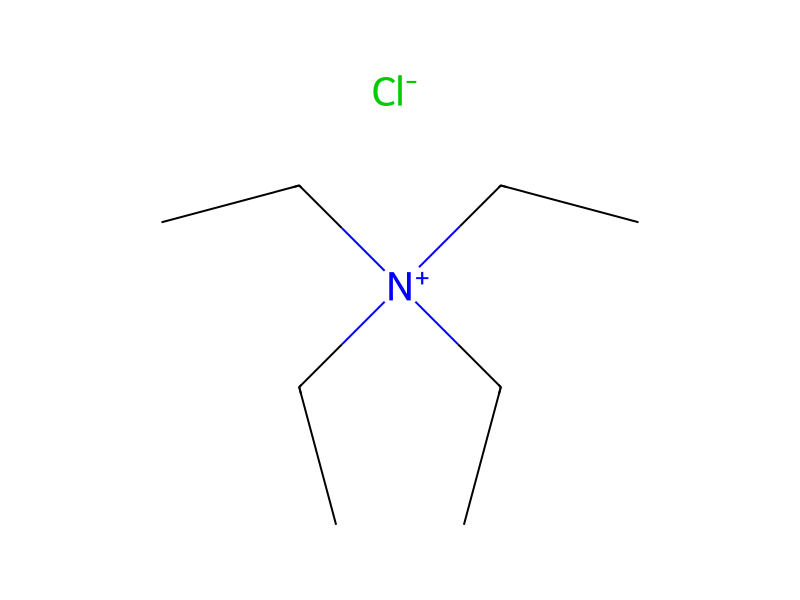
2-t-Butylaniline (0.3 mole), 2-methyl-5-chloromethyl-1,3-dioxolane (0.3 mole), potassium carbonate (0.3 mole) and tetraethylammonium chloride (2 grams) are charged into a glass reaction vessel equipped with a mechanical stirrer, thermometer and reflux condenser. The reaction mixture is heated at reflux for a period of 48 hours. After this time the mixture is filtered to yield the desired product N-2-methyl-1,3-dioxolan-5-ylmethyl)-2-t-butylaniline.
Workup
- customequipped with a mechanical stirrer
- temperaturethermometer and reflux condenser
- temperatureThe reaction mixture is heated
- temperatureat reflux for a period of 48 hours
- filtrationAfter this time the mixture is filtered
Sources & evidence
- ORD record
- ord-08925b854ed14320adbbb7bfb961d973
- Source dataset
- uspto-grants-1976_03
- Patent number
- US03946045
Reaction notes
Loading…