1,3-Dibromopropane → 4-(3-Bromopropoxy)-2,2-dimethyl-1-(1-piperidinyl)indan
Reaction equation

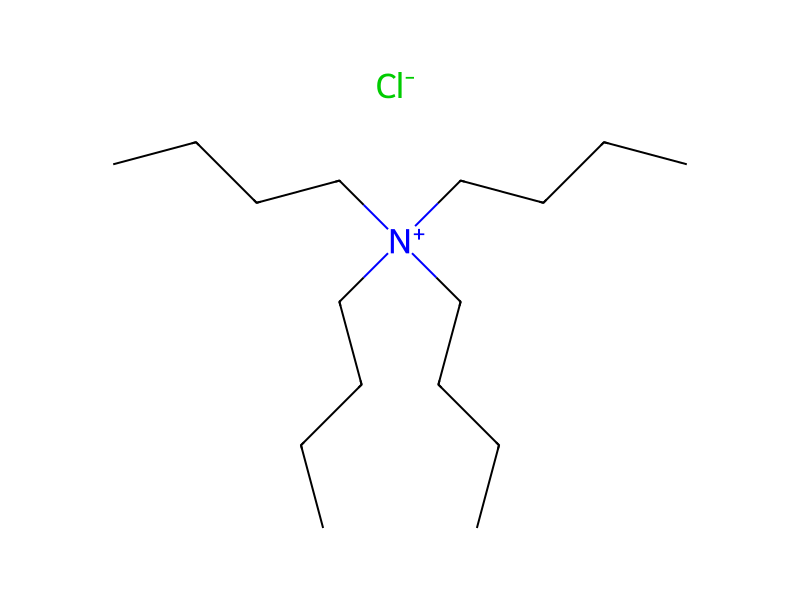
[OH-].[K+].[CH3:3][C:4]1([CH3:20])[CH2:12][C:11]2[C:6](=[CH:7][CH:8]=[CH:9][C:10]=2[OH:13])[CH:5]1[N:14]1[CH2:19][CH2:18][CH2:17][CH2:16][CH2:15]1.[Br:21][CH2:22][CH2:23][CH2:24]Br>C(Cl)Cl.[Cl-].C([N+](CCCC)(CCCC)CCCC)CCC>[Br:21][CH2:22][CH2:23][CH2:24][O:13][C:10]1[CH:9]=[CH:8][CH:7]=[C:6]2[C:11]=1[CH2:12][C:4]([CH3:20])([CH3:3])[CH:5]2[N:14]1[CH2:19][CH2:18][CH2:17][CH2:16][CH2:15]1Participants
6





Procedure
Potassium hydroxide (1.44 g) is added to a stirred solution of the 4-hydroxy compound of Step 4. above (5 g) in methylene chloride (44 ml) and stirring is continued under N2 for 30 min. 1,3-Dibromopropane (20.7 ml) and tetrabutyl ammonium chloride (0.63 g) are added and the mixture is stirred at RT for about 70 hours. The reaction mixture is diluted with methylene chloride, washed with H2O, dried, filtered and the filtrate evaporated in vacuo. The residue is chromatographed (silica gel, hexane/ether) affording the purified desired product as an oil.
Workup
- washwashed with H2O
- customdried
- filtrationfiltered
- customthe filtrate evaporated in vacuo
- customThe residue is chromatographed (silica gel, hexane/ether)
- customaffording the
- custompurified desired product as an oil
Sources & evidence
- ORD record
- ord-04d9ad36cfa0474889b6ec750ae5646c
- Source dataset
- uspto-grants-1986_05
- Patent number
- US04588719
Reaction notes
Loading…