Piperidine → 7-Bromo-2-(3-pyridylmethylene)-1-tetralone
Reaction equation

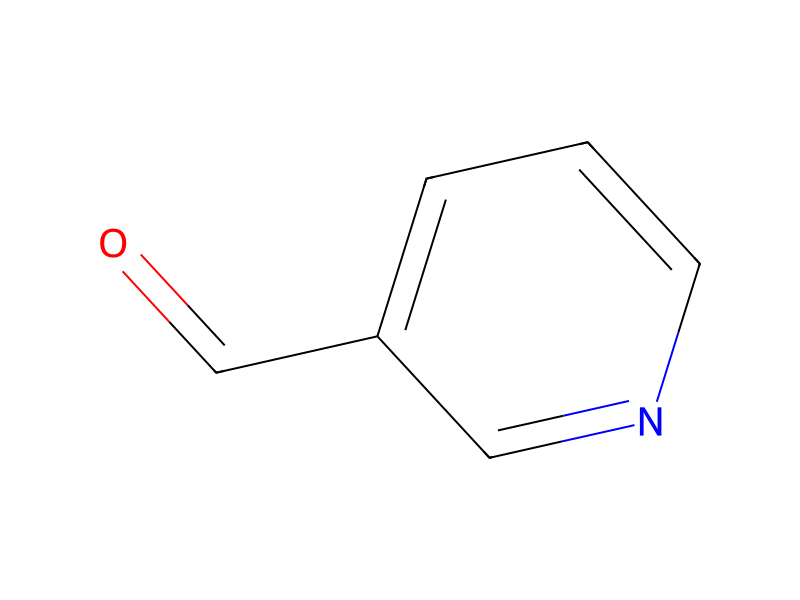
[Br:1][C:2]1[CH:11]=[C:10]2[C:5]([CH2:6][CH2:7][CH2:8][C:9]2=[O:12])=[CH:4][CH:3]=1.[N:13]1[CH:18]=[CH:17][CH:16]=[C:15]([CH:19]=O)[CH:14]=1.N1CCCCC1>C(O)(=O)C>[Br:1][C:2]1[CH:11]=[C:10]2[C:5]([CH2:6][CH2:7][C:8](=[CH:19][C:15]3[CH:14]=[N:13][CH:18]=[CH:17][CH:16]=3)[C:9]2=[O:12])=[CH:4][CH:3]=1Participants
5
Reactant 3


Product 1

Reagents, catalysts & solvents 1

Procedure
A mixture of 7-bromo-1-tetralone (11.25 g), pyridin-3-carboxaldehyde (5.35 g), acetic acid (5 ml) and piperidine (6 ml) was heated on a steam bath for 6 hours and then allowed to stand for 18 hours. The volatile material was evaporated and the residue was dissolved in ethyl acetate. The solution was extracted several times with dilute hydrochloric acid and the combined extracts were made just alkaline with dilute sodium hydroxide solution. The solid was filtered off, washed with water and crystallised from methanol to give 7-bromo-2-(3-pyridylmethylene)-1-tetralone (12.8 g), m.p. 124°-125°.
Workup
- temperaturewas heated on a steam bath for 6 hours
- customThe volatile material was evaporated
- dissolutionthe residue was dissolved in ethyl acetate
- extractionThe solution was extracted several times with dilute hydrochloric acid
- filtrationThe solid was filtered off
- washwashed with water
- customcrystallised from methanol
Sources & evidence
- ORD record
- ord-db01ba0aa6b644429b9baeab7006caf3
- Source dataset
- uspto-grants-1986_05
- Patent number
- US04590200
Reaction notes
Loading…