1H-1,2,4-Triazole → 1-[4-(4-Benzyloxyphenyl)butyl]-1,2,4-triazole
Reaction equation

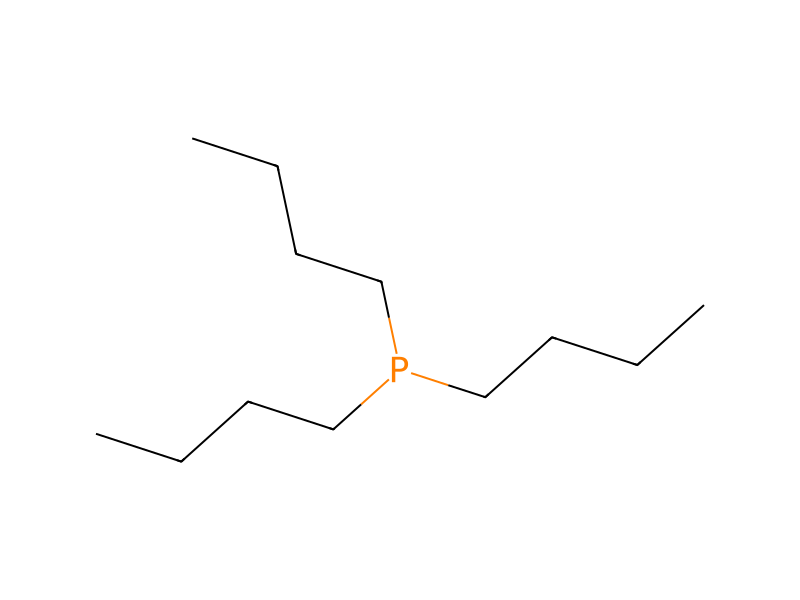
[CH2:1]([O:8][C:9]1[CH:14]=[CH:13][C:12]([CH2:15][CH2:16][CH2:17][CH2:18]O)=[CH:11][CH:10]=1)[C:2]1[CH:7]=[CH:6][CH:5]=[CH:4][CH:3]=1.C(P(CCCC)CCCC)CCC.[NH:33]1[CH:37]=[N:36][CH:35]=[N:34]1.N(C(OCC)=O)=NC(OCC)=O>O1CCCC1.O>[CH2:1]([O:8][C:9]1[CH:14]=[CH:13][C:12]([CH2:15][CH2:16][CH2:17][CH2:18][N:33]2[CH:37]=[N:36][CH:35]=[N:34]2)=[CH:11][CH:10]=1)[C:2]1[CH:7]=[CH:6][CH:5]=[CH:4][CH:3]=1Participants
Reactant 4



Product 1

Reagents, catalysts & solvents 2


Procedure
To a solution of 4-(4-benzyloxyphenyl)butanol (3.55 g), tributyl phosphine (6.84 g) and 1,2,4-triazole (1.86 g) in tetrahydrofuran (75 ml) was added dropwise, at room temperature, diethyl azodicarboxylate (40% toluene solution, 11.8 g). The mixture was heated for two hours under reflux. The reaction mixture was poured into water and extracted with ethyl acetate. The ethyl acetate layer was washed with water, dried (MgSO4), and concentrated under reduced pressure. The residue was subjected to a silica gel column chromatography. From the fraction eluted with ethyl acetate-hexane (1:2, v/v), 1-[4-(4-benzyloxyphenyl)butyl]-1,2,4-triazole (3.45 g, 83%) was obtained. Recrystallization from isopropyl ether gave colorless prisms, mp 68-69° C.
Workup
- temperatureThe mixture was heated for two hours
- temperatureunder reflux
- extractionextracted with ethyl acetate
- washThe ethyl acetate layer was washed with water
- dry with materialdried (MgSO4)
- concentrationconcentrated under reduced pressure
- washFrom the fraction eluted with ethyl acetate-hexane (1:2
Sources & evidence
- ORD record
- ord-1a0c19a7a4b64cb88b3dfd22f4d5a8c4
- Source dataset
- uspto-grants-2001_04
- Patent number
- US06211215B1
Reaction notes
Loading…