Diisopropylamine → Benzophenone
Reaction equation

[Li+].C[CH:3]([N-:5][CH:6]([CH3:8])[CH3:7])[CH3:4].[Li][CH2:10][CH2:11][CH2:12]C.[CH:14]([NH:17][CH:18]([CH3:20])[CH3:19])(C)C.[CH2:21]1[CH2:25][O:24][CH2:23][CH2:22]1>>[NH2:17][CH2:14][C:8]1[CH:6]=[N:5][CH:3]=[CH:4][CH:21]=1.[C:23]([C:7]1[CH:6]=[CH:8][CH:19]=[CH:18][CH:20]=1)(=[O:24])[C:22]1[CH:21]=[CH:25][CH:12]=[CH:11][CH:10]=1Participants





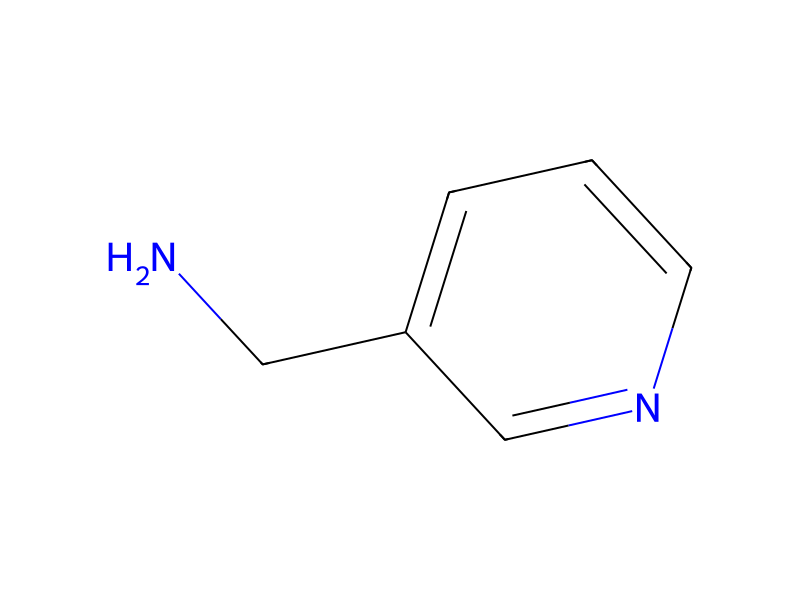
Procedure
5-Aza-6-(3-pyridyl)-tricyclo[3.3.1.13,7decan-2-one: LDA (8.0 mmol) was generated at 0° C. by adding n-BuLi (3.40 mL of 2.35 M solution in hexane, 8.0 mmol) to a solution of diisopropylamine (1.40 mL, 10.0 mmol) in dry THF (10.0 mL). The Schiff base, 2-aza-1,1-diphenyl-3-(pyridyl)prop-2-ene, formed from the reaction of 3-aminomethyl pyridine with benzophenone (2.18 g, 8.0 mmol; prepared using the method described in U.S. Pat. No. 5,510,355 to Bencherif et al.) was dissolved in dry THF (10.0 mL) and the solution cooled to −78° C. under a nitrogen atmosphere. LDA was then transferred to the solution of the Schiff base, using a double tipped needle under a positive nitrogen atmosphere. The resulting purple suspension was stirred for a further 45 minutes, during which time the temperature of the reaction mixture was allowed to rise to −45° C.
Workup
- customwas generated at 0° C.
Sources & evidence
- ORD record
- ord-08339df1cb764732b0f36c6ec5752b24
- Source dataset
- uspto-grants-2001_04
- Patent number
- US06211372B1
Reaction notes
Loading…