Potassium Iodide → HCID 10780025, compound
Reaction equation

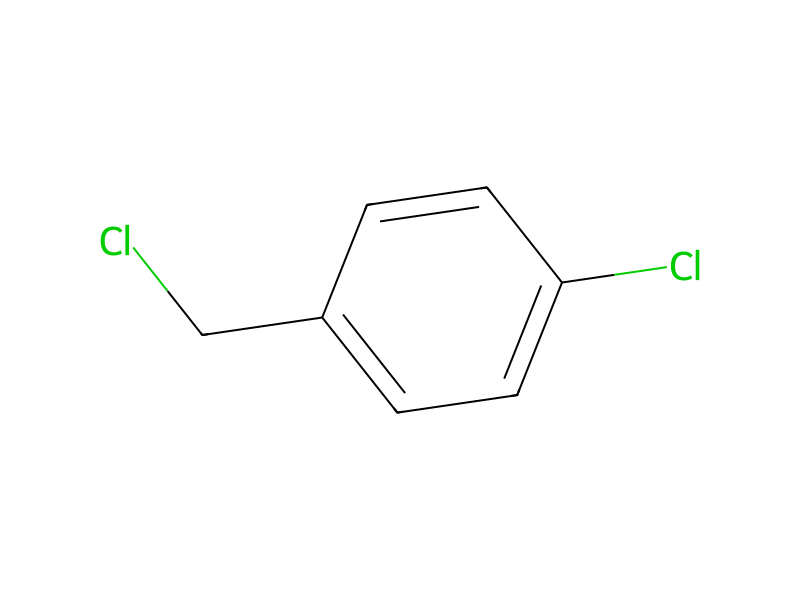
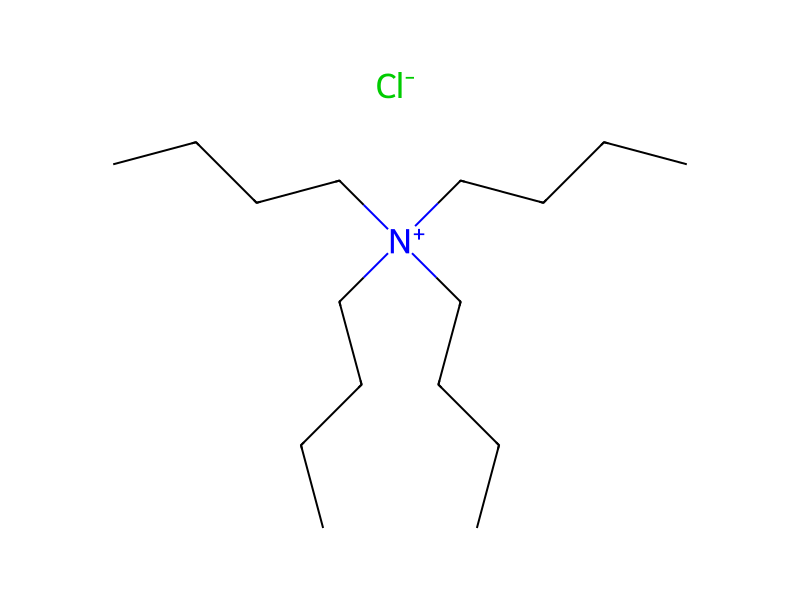
[OH:1][C:2]1[CH:11]=[C:10]([OH:12])[CH:9]=[CH:8][C:3]=1[C:4]([O:6][CH3:7])=[O:5].[I-].[K+].C(=O)([O-])[O-].[K+].[K+].[Cl:21][C:22]1[CH:29]=[CH:28][C:25]([CH2:26]Cl)=[CH:24][CH:23]=1>CC(C)=O.[Cl-].C([N+](CCCC)(CCCC)CCCC)CCC>[OH:1][C:2]1[CH:11]=[C:10]([O:12][CH2:26][C:25]2[CH:28]=[CH:29][C:22]([Cl:21])=[CH:23][CH:24]=2)[CH:9]=[CH:8][C:3]=1[C:4]([O:6][CH3:7])=[O:5]Participants
7





Procedure
A solution of methyl 2,4-dihydroxybenzoate (6.73 g) in acetone (250 mL) is treated with potassium iodide (2.66 g), tetrabutylammonium chloride (0.05 g), potassium carbonate (5.53 g), and 4-chlorobenzyl chloride (7.08 g), and stirred at reflux for 24 hours. The mixture is filtered, and the filtrate evaporated. The residue is taken up in ethyl acetate, washed with water, dried, and evaporated. The residue is recrystallized from ethyl acetate to yield methyl 2-hydroxy-4-(4-chlorobenzyloxy)benzoate as colourless crystals (5.3 g, 45%), m.p. 119-121° C. 1H NMR (DMSO) 3.9(3H,s), 5.2(2H,s), 6.6(2H,m), 7.5(4H,m), 7.7(1H,d).
Workup
- temperatureat reflux for 24 hours
- filtrationThe mixture is filtered
- customthe filtrate evaporated
- washwashed with water
- customdried
- customevaporated
- customThe residue is recrystallized from ethyl acetate
Sources & evidence
- ORD record
- ord-a3716295087f4d6785155ca26be707ff
- Source dataset
- uspto-grants-2001_04
- Patent number
- US06211234B1
Reaction notes
Loading…