Hexane → HCID 13325924, compound
Reaction equation

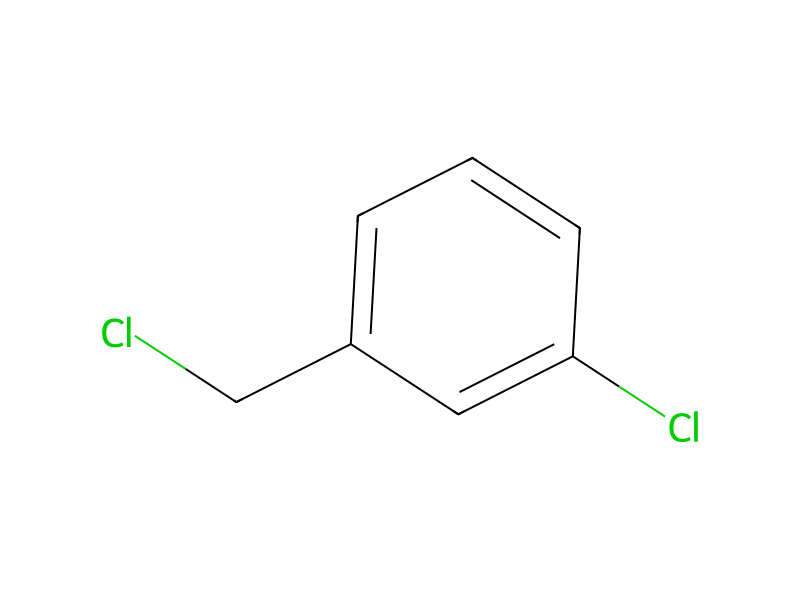
[H-].[Na+].[C:3]([O:7][C:8](=[O:13])[CH2:9][C:10]([CH3:12])=[O:11])([CH3:6])([CH3:5])[CH3:4].[Li]CCCC.CCCCCC.[Cl:25][C:26]1[CH:27]=[C:28]([CH:31]=[CH:32][CH:33]=1)[CH2:29]Cl>O1CCCC1>[Cl:25][C:26]1[CH:27]=[C:28]([CH2:29][CH2:12][C:10](=[O:11])[CH2:9][C:8]([O:7][C:3]([CH3:6])([CH3:4])[CH3:5])=[O:13])[CH:31]=[CH:32][CH:33]=1Participants






Procedure
Sodium hydride (5.43 g, 0.11 mol, 50% as an oil suspension) is placed in a 500 ml 3-neck flask (equipped with a thermometer, an addition funnel, and a rubber septum) under nitrogen and washed 2×100 ml hexanes to remove the oil. Then 230 ml dry THF (tetrahydrofuran) is introduced and the sodium hydride suspension is cooled to 4° and magnetically stirred. t-butylacetoacetate (16.5 ml, 0.1 mol) is added with a rate which is controlled so that the gas evolution is not too vigorous and the temperature is maintained at less than 10°. Stirring is continued until gas evolution ceases (1 hr). Then 62 ml of 1.7 M BuLi in hexane (0.105 mol) is added via syringe at a rate such that the temperature does not rise above 10°. The initial orange color becomes red during addition, but turns into pink after addition is complete. A fine solid also separates from solution. The resulting mixture is stirred for an additional 15 min. before 15.0 ml m-chlorobenzyl chloride (20.0 g, 0.125 mol) in 20 ml dry THF is added dropwise at a rate such that the temperature is maintained between 9° and 12°. When addition is complete, the cooling bath is removed and the reaction is stirred for an additional 1 hr. The reaction mixture is then poured into a 2 l Erlenmeyer flask and 300 ml diethyl ether is added followed by the addition of 130 ml cold 3 N aqueous HCl with stirring. The mixture is stirred for 15 min, and the layers are separated, and the acid layer is washed twice with 150 ml diethyl ether. The combined organic layers are then washed twice with 200 ml of water, 2×100 ml of aqueous 1% Citric acid (pH 4.5), and finally with 100 ml saturated aqueous brine. The organic layer is dried with anhydrous sodium sulfate and the solvent removed to give 24.5 g of t-butyl 5-(m-chlorophenyl)-3-oxo-pentanoate.
Workup
- custom(equipped with a thermometer, an addition funnel
- washa rubber septum) under nitrogen and washed 2×100 ml hexanes
- customto remove the oil
- additionThen 230 ml dry THF (tetrahydrofuran) is introduced
- temperaturethe sodium hydride suspension is cooled to 4°
- temperaturethe temperature is maintained at less than 10°
- stirringStirring
- customis continued until gas evolution ceases (1 hr)
- customdoes not rise above 10°
- additionThe initial orange color becomes red during addition
- additionpink after addition
- additionis added dropwise at a rate such that the temperature
- temperatureis maintained between 9° and 12°
- additionWhen addition
- customthe cooling bath is removed
- stirringthe reaction is stirred for an additional 1 hr
- additionThe reaction mixture is then poured into a 2 l Erlenmeyer flask and 300 ml diethyl ether
- additionis added
- additionfollowed by the addition of 130 ml cold 3 N aqueous HCl
- stirringwith stirring
- stirringThe mixture is stirred for 15 min
- customthe layers are separated
- washthe acid layer is washed twice with 150 ml diethyl ether
- washThe combined organic layers are then washed twice with 200 ml of water, 2×100 ml of aqueous 1% Citric acid (pH 4.5)
- dry with materialThe organic layer is dried with anhydrous sodium sulfate
- customthe solvent removed
Sources & evidence
- ORD record
- ord-688a2766aafc4e86bdcf41aa31790bd7
- Source dataset
- uspto-grants-1984_04
- Patent number
- US04440779
Reaction notes
Loading…