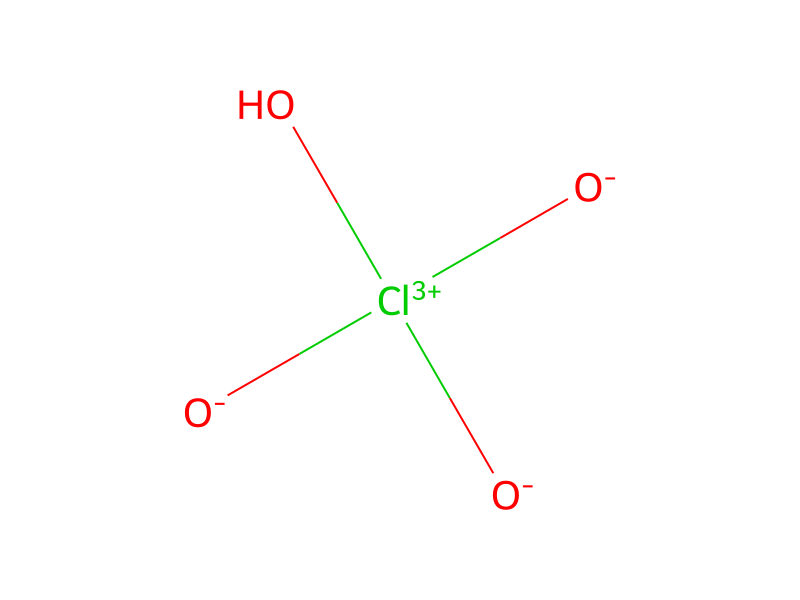
Hydrochloric Acid → HCID 20464739, compound
Reaction equation

[CH3:1][N:2]1[C:6]([CH:7]([C:10](C(OC)C2N(C)C3C(=O)C4C=CC(C)=CC=4OCC=3C=2)=[O:11])OC)=[CH:5][C:4]2[CH2:32][O:33][C:34]3[CH:41]=[C:40]([CH3:42])[CH:39]=[CH:38][C:35]=3[C:36](=[O:37])[C:3]1=2.[BH4-].[Na+].Cl.Cl(O)(=O)(=O)=O>CCOCC.C(Cl)Cl.CO>[CH3:1][N:2]1[C:6]([CH2:7][CH:10]=[O:11])=[CH:5][C:4]2[CH2:32][O:33][C:34]3[CH:41]=[C:40]([CH3:42])[CH:39]=[CH:38][C:35]=3[C:36](=[O:37])[C:3]1=2Participants







Procedure
To a stirred, cold mixture of [1,7-dimethyl]-4,10-dihydro-10-oxo-1H[1]benzoxepino[4,3-b]pyrrole-2-yl-methoxymethyl ketone (3.0 g, 0.01 m) and methanol is added sodium borohydride (0.114 g, 0.003 m) over ca. 15 minutes. The reaction mixture is allowed to warm slowly to room temperature over several hours. Excess dilute hydrochloric acid and methylene chloride are added, the layers separated, and the methylene chloride layer concentrated in vacuo to the corresponding crude alcohol which is dehydrated with pyridine-phosphorus oxychloride to yield the intermediate, an enol-ether. This is taken up in ether and treated with perchloric acid (Ber. 95 (1962) 2514) to yield 1,7-dimethyl-4,10-dihydro-10-oxo-1H[1]benzoxepino[4,3-b]pyrrole-2-acetaldehyde, which is oxidized according to Example 24 to give I.
Workup
- customthe layers separated
- concentrationthe methylene chloride layer concentrated in vacuo to the corresponding crude alcohol which
- customto yield the intermediate
Sources & evidence
- ORD record
- ord-b4f90dc620274675814f4478f96f31b0
- Source dataset
- uspto-grants-1984_04
- Patent number
- US04440779
Reaction notes
Loading…