Diisopropylamine → HCID 20464725, compound
Reaction equation

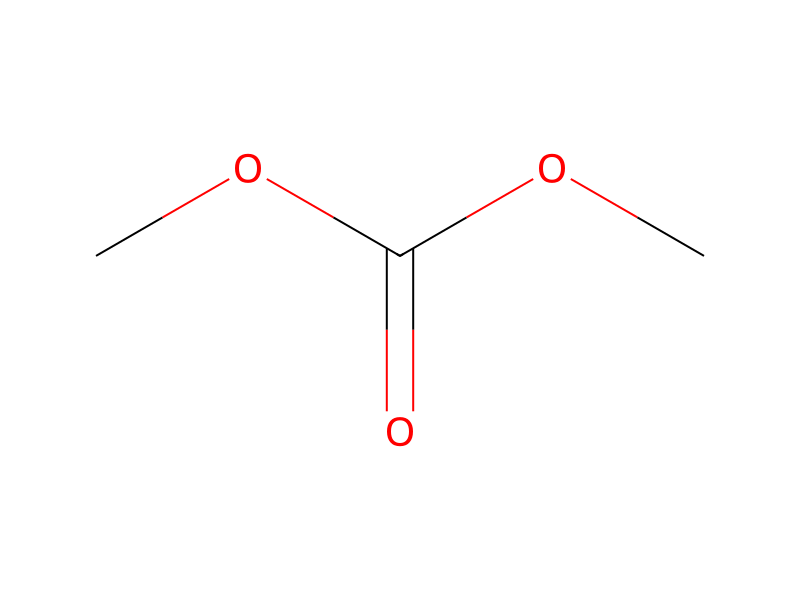
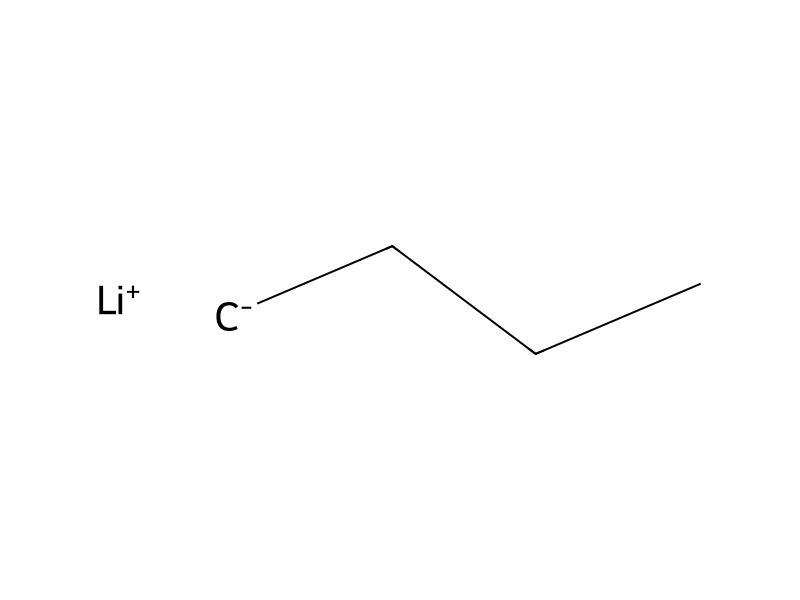
C(NC(C)C)(C)C.[Li+].CCC[CH2-].[Cl:13][C:14]1[CH:30]=[CH:29][C:17]2[C:18](=[O:28])[C:19]3[N:20]([CH3:27])[C:21]([CH3:26])=[CH:22][C:23]=3[CH2:24][O:25][C:16]=2[CH:15]=1.C[O:32][C:33](=O)[O:34]C>O1CCCC1>[Cl:13][C:14]1[CH:30]=[CH:29][C:17]2[C:18](=[O:28])[C:19]3[N:20]([CH3:27])[C:21]([CH2:26][C:33]([OH:34])=[O:32])=[CH:22][C:23]=3[CH2:24][O:25][C:16]=2[CH:15]=1Participants
Reactant 4


Product 1

Reagents, catalysts & solvents 1

Conditions
- Temperature
- -78 °C
Procedure
To a stirred, cooled (0° C.) solution of diisopropylamine (12.5 g, 0.124 m) in dry tetrahydrofuran (40 ml) under a nitrogen atmosphere is added N-butyllithium (0.124 m) and the solution stirred for 10 minutes followed by cooling to -78° C. A mixture of 7-chloro-1,2-dimethyl-4,10-dihydro-10-oxo-1H[1]benzoxepino[4,3-b]pyrrole (31.3 g, 0.12 m), dimethylcarbonate (11.7 g, 0.13 m) and tetrahydrofuran (50 ml) is then added dropwise over 10 min. The bath is then removed and the mixture allowed to warm to room temperature and is stirred for four hours. Water (50 ml) is added and the reaction mixture is further stirred overnight. Aqueous sodium hydroxide is then added and the mixture is filtered. The filtrate is acidified to yield 7-chloro-4,10-dihydro-1-methyl-10-oxo-1H[1]benzoxepino[4,3-b]pyrrole-2-acetic acid.
Workup
- additionis then added dropwise over 10 min
- customThe bath is then removed
- temperatureto warm to room temperature
- stirringis stirred for four hours
- additionWater (50 ml) is added
- stirringthe reaction mixture is further stirred overnight
- additionAqueous sodium hydroxide is then added
- filtrationthe mixture is filtered
Sources & evidence
- ORD record
- ord-e04d90c99ce94259a7cc2048b61def08
- Source dataset
- uspto-grants-1984_04
- Patent number
- US04440779
Reaction notes
Loading…