Beta-Alanine → Diisopropyl Ether
Reaction equation

[C:1]([C:3]1[CH:11]=[CH:10][C:6]([C:7](Cl)=[O:8])=[CH:5][CH:4]=1)#[N:2].[NH2:12][CH2:13][CH2:14][C:15]([OH:17])=[O:16].S(=O)(=O)(O)O.[C:23](=O)(O)[O-].[Na+]>>[CH:15]([O:17][CH:11]([CH3:10])[CH3:3])([CH3:14])[CH3:23].[C:1]([C:3]1[CH:11]=[CH:10][C:6]([C:7]([NH:12][CH2:13][CH2:14][C:15]([OH:17])=[O:16])=[O:8])=[CH:5][CH:4]=1)#[N:2]Participants
6




Procedure
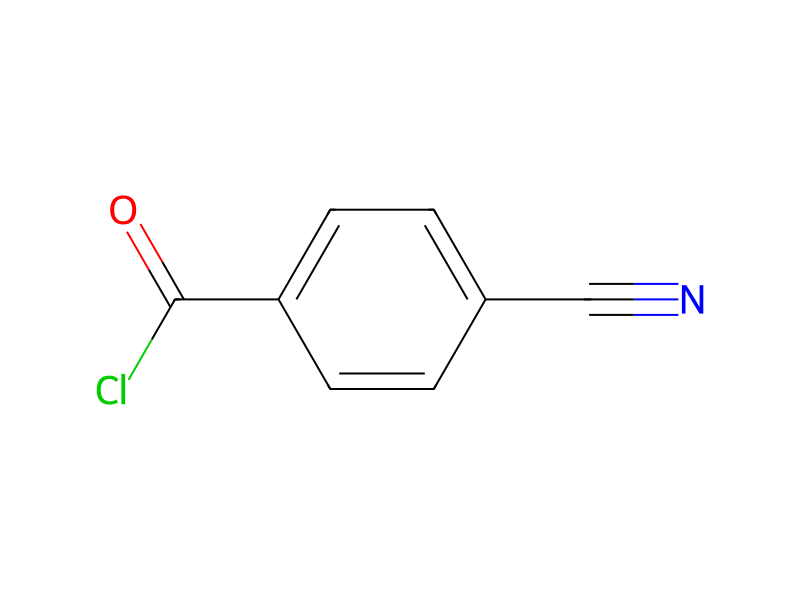
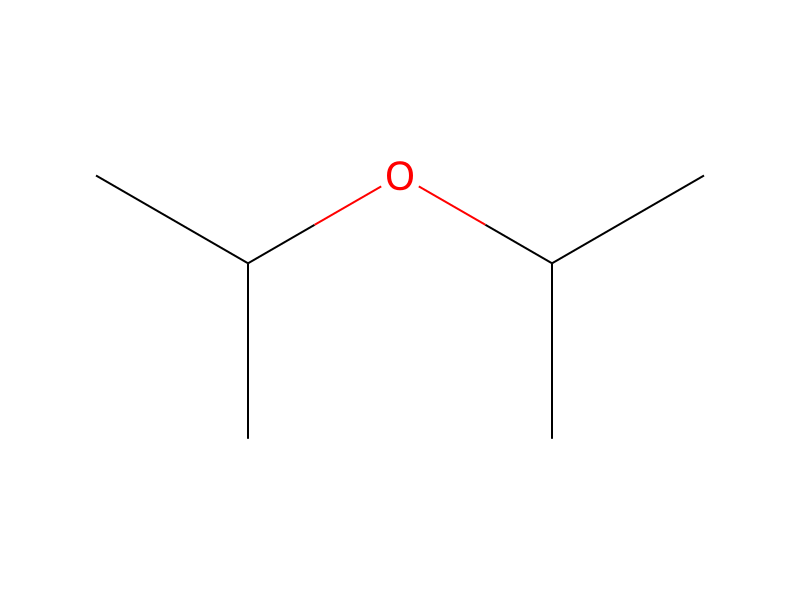
4.96 g of 4-cyanobenzoyl chloride and 2.67 g of β-alanine were stirred at room temperature for 4 hours in 450 ml of sodium bicarbonate solution (2%) and the mixture was acidified using concentrated sulphuric acid (pH 6). The solution was evaporated and extracted using ethyl acetate. Drying and evaporation of the organic phase gave a residue which, with diisopropyl ether, yielded 4.69 g of N-(p-cyanobenzoyl)-β-alanine, m.p. 155°-157° C.
Workup
- customThe solution was evaporated
- extractionextracted
- customDrying
- customevaporation of the organic phase
- customgave a residue which
Sources & evidence
- ORD record
- ord-68e7538d5f44462c8b11a07e40778d08
- Source dataset
- uspto-grants-1993_12
- Patent number
- US05273982
Reaction notes
Loading…