Dichloromethane → HCID 70633015, compound
Reaction equation

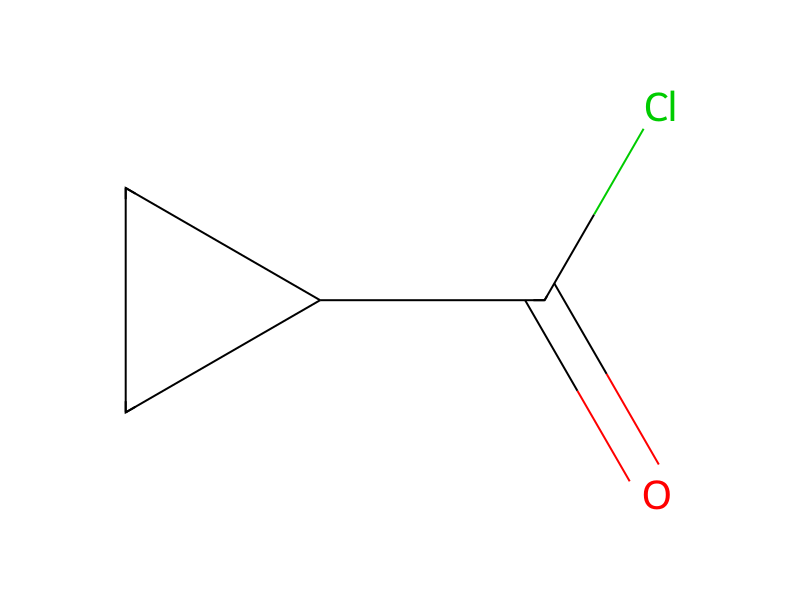
[CH2:1]1[C:11]2[N:10]3[C:12]4[CH:21]=[CH:20][N:19]=[CH:18][C:13]=4[C:14]4[CH2:15][CH2:16][CH:17]=[C:8]([C:9]=43)[CH:7]=[CH:6][C:5]=2[CH2:4][CH2:3][CH2:2]1.ClCCl.[CH:25]1([C:28](Cl)=[O:29])[CH2:27][CH2:26]1>C(N(CC)CC)C>[CH:25]1([C:28]([CH:3]2[CH2:4][C:5]3[CH:6]=[CH:7][C:8]4[C:9]5[N:10]([C:12]6[CH:21]=[CH:20][N:19]=[CH:18][C:13]=6[C:14]=5[CH2:15][CH2:16][CH:17]=4)[C:11]=3[CH2:1][CH2:2]2)=[O:29])[CH2:27][CH2:26]1Participants
5
Reactant 3


Product 1

Reagents, catalysts & solvents 1

Procedure
To a solution of 16.4 g of 1,2,3,4,8,9-hexahydropyrido[4',3':2,3]indolo[1,7-ab][1]benzazepine in 500 ml. of dichloromethane, 7.3 g. of cyclopropanecarbonyl chloride was added, followed by dropwise addition of 10 ml. of triethylamine. A mildly exothermic reaction took place, after which stirring of the mixture was continued at room temperature overnight. The mixture was then washed with 1N hydrochloric acid and water and dried over anhydrous sodium carbonate. On evaporation to dryness, crude 3-(cyclopropylcarbonyl)-1,2,3,4,8,9-hexahydropyrido[4',3':2,3]indolo[1,7-ab][1]benzazepine was obtained as a glassy product. Recrystallization from ethanol yielded the pure material, m.p. 154°-156° C.
Workup
- additionfollowed by dropwise addition of 10 ml
- customA mildly exothermic reaction
- washThe mixture was then washed with 1N hydrochloric acid and water
- dry with materialdried over anhydrous sodium carbonate
- customOn evaporation to dryness
Sources & evidence
- ORD record
- ord-75f48ae26de445fc93ebe9fb80d13cb3
- Source dataset
- uspto-grants-1977_04
- Patent number
- US04018930
Reaction notes
Loading…