Water → N-[3-(3-Methyl-1,2,4-triazolo[4,3-b]pyridazin-6-yl)phenyl]-N-propylacetamide
Reaction equation

[CH3:1][C:2]1[N:6]2[N:7]=[C:8]([C:11]3[CH:12]=[C:13]([NH:17][C:18](=[O:20])[CH3:19])[CH:14]=[CH:15][CH:16]=3)[CH:9]=[CH:10][C:5]2=[N:4][N:3]=1.[H-].[Na+].Br[CH2:24][CH2:25][CH3:26].O>CN(C)C=O>[CH3:1][C:2]1[N:6]2[N:7]=[C:8]([C:11]3[CH:12]=[C:13]([N:17]([CH2:24][CH2:25][CH3:26])[C:18](=[O:20])[CH3:19])[CH:14]=[CH:15][CH:16]=3)[CH:9]=[CH:10][C:5]2=[N:4][N:3]=1Participants
6
Reactant 4

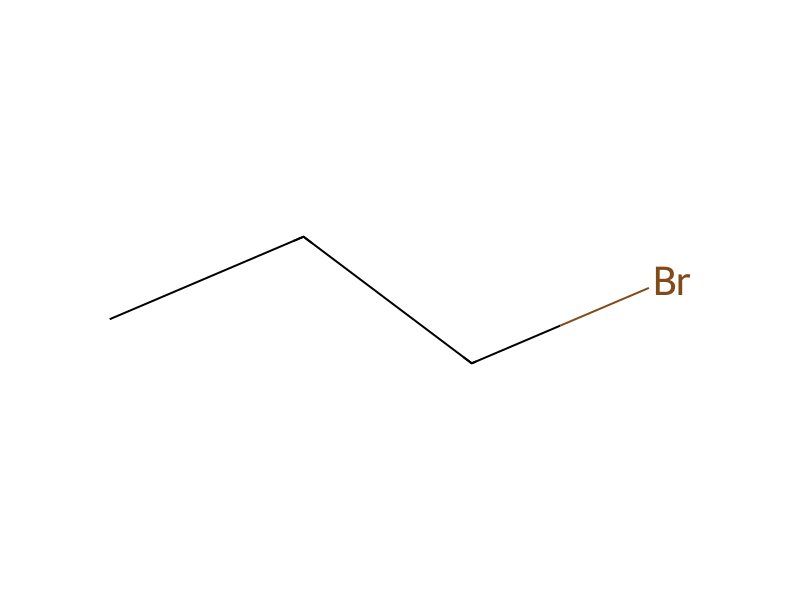


Product 1

Reagents, catalysts & solvents 1

Procedure
To 10.0 g of N-[3-(3-methyl-1,2,4-triazolo[4,3-b]pyridazin-6-yl) phenyl]acetamide in 500 ml of dry dimethylformamide under argon, was added 2.0 g of sodium hydride (50% in oil). This mixture was stirred for 1 hour, then 3.75 ml of 3-bromopropane was added. This mixture was stirred for 2.5 days, then poured into 1 liter of water and extracted with 150 ml portions of dichloromethane. The extracts were combined, dried and evaporated in vacuo. The residue was chromatographed as described in Example 1, giving 3.60 g of the desired product as yellow crystals, mp 145°-49° C.
Workup
- stirringThis mixture was stirred for 2.5 days
- extractionextracted with 150 ml portions of dichloromethane
- customdried
- customevaporated in vacuo
- customThe residue was chromatographed
Sources & evidence
- ORD record
- ord-ba72ac22a8e4484fb6a44eb6bd7d34c0
- Source dataset
- uspto-grants-1990_01
- Patent number
- US04892873
Reaction notes
Loading…