Dicyclohexylcarbodiimide → N,N'-Dicyclohexylurea
Reaction equation

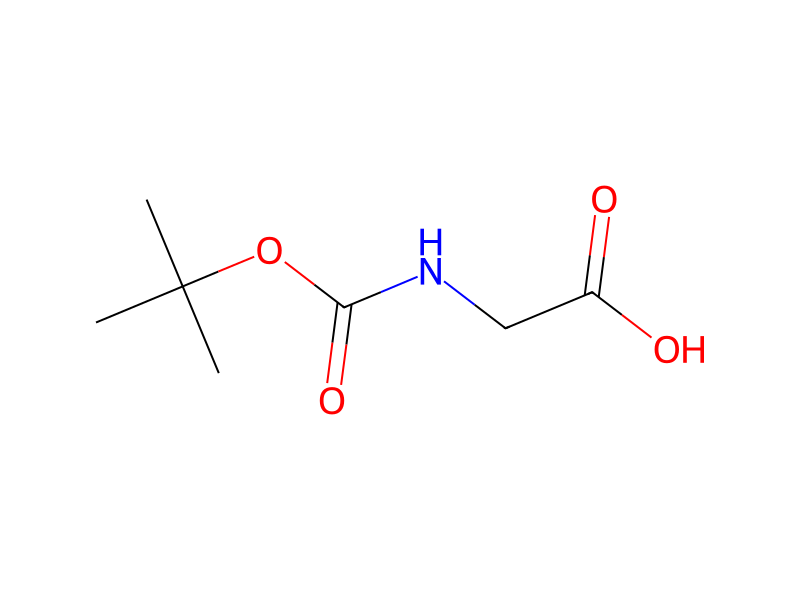
NC1CCC2C(=CC(OC)=C([O:12]C)C=2)C1.[CH:16]1([N:22]=[C:23]=[N:24][CH:25]2[CH2:30][CH2:29][CH2:28][CH2:27][CH2:26]2)[CH2:21][CH2:20][CH2:19][CH2:18][CH2:17]1.C(NCC(O)=O)(OC(C)(C)C)=O>C(Cl)Cl>[C:23]([NH:22][CH:16]1[CH2:17][CH2:18][CH2:19][CH2:20][CH2:21]1)([NH:24][CH:25]1[CH2:30][CH2:29][CH2:28][CH2:27][CH2:26]1)=[O:12]Participants
5
Reactant 3


Product 1

Reagents, catalysts & solvents 1

Procedure
2-amino-6,7-dimethoxy tetraline (0.4 g; 2.07 mmoles) was dissolved in 20 ml CH2Cl2. Dicyclohexylcarbodiimide (0.4 g; 2.07 mmoles) and carbotertbutoxyglycine (0.36 g; 2.07 mmoles) were added to the solution. The solution was kept under stirring for 2 hours. Dicyclohexylurea that formed was then filtered off. The filtrate was extracted with a saturated solution of NaHCO3, diluted HCl and H2O till neutrality was reached. The organic phase separated and dried was concentrated under vacuum. The residue thus obtained was chromatographed on a silica gel column, eluting with CHCl3 --AcOEt, 1:1.
Sources & evidence
- ORD record
- ord-973876ca0c8b4471a109f0b807a3f9ea
- Source dataset
- uspto-grants-1991_10
- Patent number
- US05053424
Reaction notes
Loading…