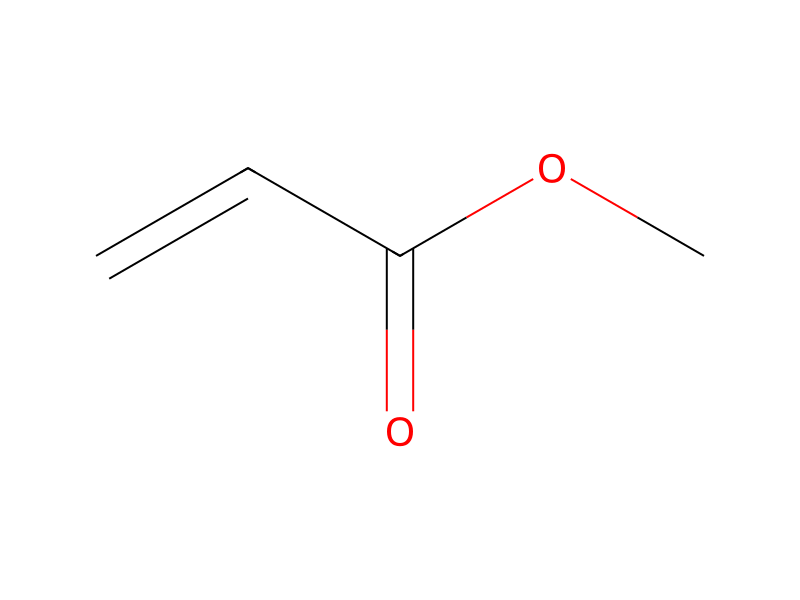
Methyl Acrylate → 5434-63-9
Reaction equation

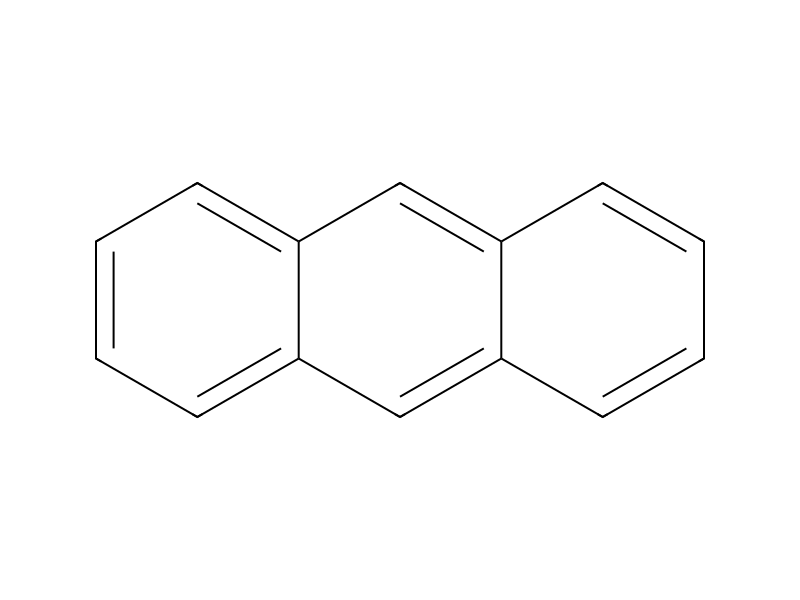
[CH:1]1[C:14]2[C:5](=[CH:6][C:7]3[C:12]([CH:13]=2)=[CH:11][CH:10]=[CH:9][CH:8]=3)[CH:4]=[CH:3][CH:2]=1.[C:15]([O:19]C)(=[O:18])[CH:16]=[CH2:17].[OH-].[K+]>CO.O>[CH:4]1[C:5]2[CH:6]3[CH2:17][CH:16]([C:15]([OH:19])=[O:18])[CH:13]([C:12]4[C:7]3=[CH:8][CH:9]=[CH:10][CH:11]=4)[C:14]=2[CH:1]=[CH:2][CH:3]=1Participants
Reactant 3

Product 1

Reagents, catalysts & solvents 2


Conditions
- Temperature
- 162.5 °C
Procedure
Anthracene (40 gm) was combined with methyl acrylate (30 gm) in a Parr bomb and heated to 150-175° C. for 6 hours. The mixture was allowed to remain in the bomb at room temperature for 72 hours. The mixture was dissolved in methanol (225 ml), treated with a solution of potassium hydroxide (40 gm) in water (40 ml) and heated to reflux for 4 hours. The solution was cooled to room temperature and most of the solvent was removed on a rotary evaporator. The residue was dissolved in water (200 ml), filtered through charcoal and acidified with concentrated hydrochloric acid. The resulting mixture was allowed to stand overnight and the precipitate was filtered. The white solid was dried at 80° and recrystallized from benzene to provide the product (mp=188-189° C.).
Workup
- temperatureheated
- temperatureto reflux for 4 hours
- temperatureThe solution was cooled to room temperature and most of the solvent
- customwas removed on a rotary evaporator
- dissolutionThe residue was dissolved in water (200 ml)
- filtrationfiltered through charcoal
- waitto stand overnight
- filtrationthe precipitate was filtered
- customThe white solid was dried at 80°
- customrecrystallized from benzene
Sources & evidence
- ORD record
- ord-3862af9121a749dda5dffdb98a3b6050
- Source dataset
- uspto-grants-1991_10
- Patent number
- US05055468
Reaction notes
Loading…