Hydrochloric Acid → (+/-)-4,5,5a,6,7,8-Hexahydro-6-propylthiazolo-[5,4-f]quinolin-2-amine
Reaction equation

[S:1]1[C:5]2[C:6]3[CH:7]=[CH:8][CH:9]=[N:10][C:11]=3[CH2:12][CH2:13][C:4]=2[N:3]=[C:2]1[NH2:14].I[CH2:16][CH2:17][CH3:18].[BH4-].[Na+].Cl>C(O)C>[CH2:16]([N:10]1[CH:11]2[C:6]([C:5]3[S:1][C:2]([NH2:14])=[N:3][C:4]=3[CH2:13][CH2:12]2)=[CH:7][CH2:8][CH2:9]1)[CH2:17][CH3:18]Participants





Procedure
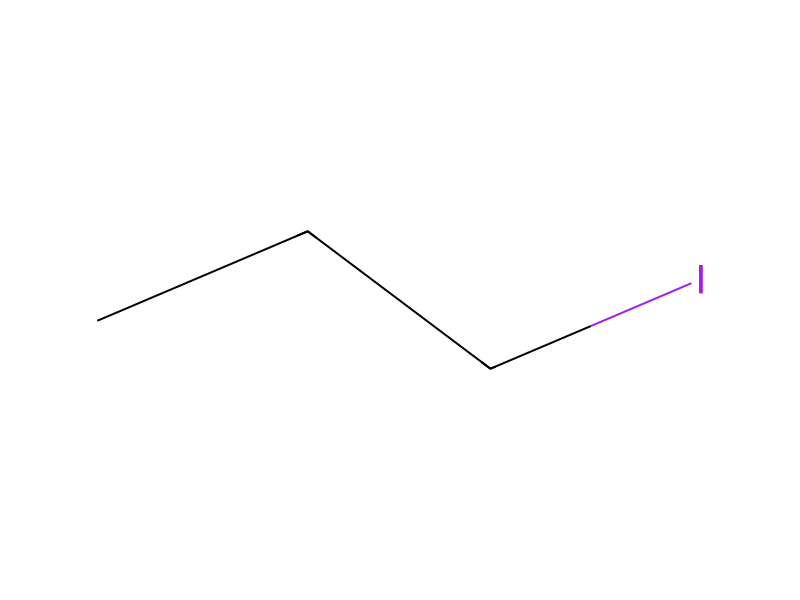
The free base of 4,5-dihydrothiazolo[5,4-f]quinolin-2-amine, 5.0 g (20 mmol), is refluxed in 250 ml ethanol with 6.8 g (40 mmol) of 1-iodopropane for 20 hours. The solvent is removed in-vacuo and the 2-amino-4,5-dihydrothiazolo[5,4-f]quinolinium iodide which remains is dissolved in 200 ml methanol and treated with 1.7 g (50 mmol) of sodium borohydride in small portions, at 0° C. After 1 hour, 50 ml of 10% hydrochloric acid is added dropwise and the volatile components are removed in-vacuo. The residue is made basic with ammonium hydroxide and extracted with ethyl acetate. The organic layer is dried over magnesium sulfate, evaporated and the residue is chromatographed to yield (±)-4,5,5a,6,7,8-hexahydro-6-propylthiazolo-[5,4-f]quinolin-2-amine.
Workup
- customThe solvent is removed in-vacuo
- dissolutionthe 2-amino-4,5-dihydrothiazolo[5,4-f]quinolinium iodide which remains is dissolved in 200 ml methanol
- customthe volatile components are removed in-vacuo
- extractionextracted with ethyl acetate
- dry with materialThe organic layer is dried over magnesium sulfate
- customevaporated
- customthe residue is chromatographed
Sources & evidence
- ORD record
- ord-ae31fdbebefb4ff897448c9bb33e46f9
- Source dataset
- uspto-grants-1988_08
- Patent number
- US04762843
Reaction notes
Loading…