Hydrochloric Acid → 4-(6-Bromonaphth-2-ylsulphonyl)anisole
Reaction equation

[Cl-].[Al+3].[Cl-].[Cl-].[Br:5][C:6]1[CH:7]=[C:8]2[C:13](=[CH:14][CH:15]=1)[CH:12]=[C:11]([S:16](Cl)(=[O:18])=[O:17])[CH:10]=[CH:9]2.[C:20]1([O:26][CH3:27])[CH:25]=[CH:24][CH:23]=[CH:22][CH:21]=1.Cl>C(Cl)Cl.O>[Br:5][C:6]1[CH:7]=[C:8]2[C:13](=[CH:14][CH:15]=1)[CH:12]=[C:11]([S:16]([C:23]1[CH:24]=[CH:25][C:20]([O:26][CH3:27])=[CH:21][CH:22]=1)(=[O:18])=[O:17])[CH:10]=[CH:9]2Participants
7

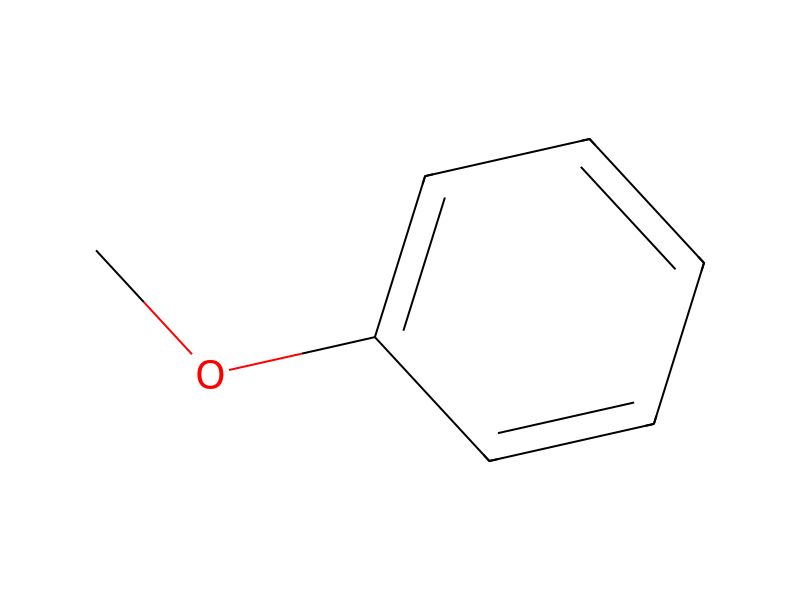





Conditions
- Temperature
- 4 °C
Procedure
Aluminium chloride (3.33 g) was added portionwise over 30 minutes to a stirred mixture of 6-bromonaphth-2-ylsulphonyl chloride (6.11 g) and anisole (3.33 g) in dry methylene chloride (35 ml). The resultant mixture was stirred for 24 hours. Methylene chloride (75 ml) was added. the mixture cooled to 4° C. and water (100 ml) added cautiously. The mixture was acidified with 2M hydrochloric acid, separated and the aqueous phase extracted with methylene chloride (30 ml). The combined organic phases were washed with water, dried (MgSO4) and evaporated. Recrystallisation of the residue from an ethyl acetate/ethanol mixture gave 4-(6-bromonaphth-2-ylsulphonyl)anisole (1.74 g), m.p. 180-181° C.;
Workup
- customseparated
- extractionthe aqueous phase extracted with methylene chloride (30 ml)
- washThe combined organic phases were washed with water
- dry with materialdried (MgSO4)
- customevaporated
- customRecrystallisation of the residue from an ethyl acetate/ethanol mixture
Sources & evidence
- ORD record
- ord-0a6bb5cdc00a47d5b576e894b6d107ce
- Source dataset
- uspto-grants-2007_02
- Patent number
- US07173025B1
Reaction notes
Loading…