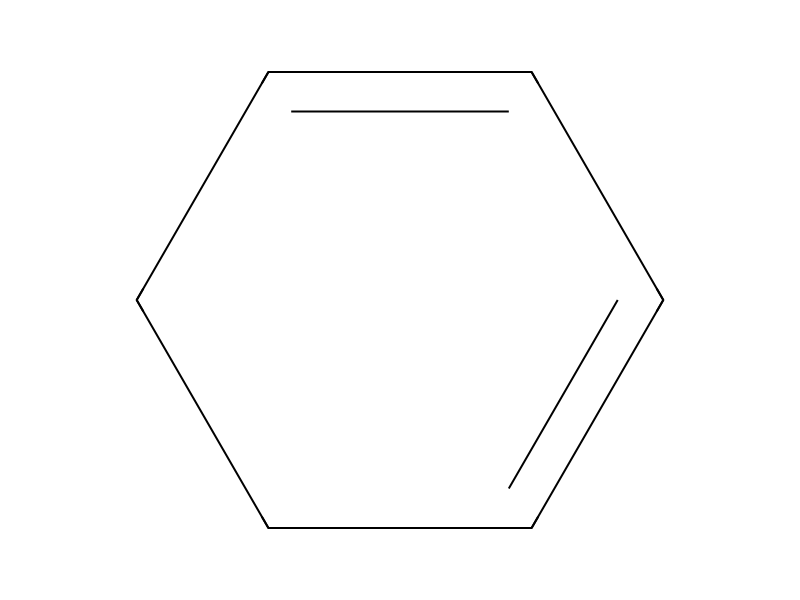
1,3-Cyclohexadiene → Ethyl 2-(1-phenylethyl)-2-azabicyclo[2.2.2]oct-5-ene-3-carboxylate
Reaction equation

[C:1]1([C@@H:7]([N:9]2[C@@H:14]([C:15]([O:17][CH2:18][CH3:19])=[O:16])[C@H:13]3[CH2:20][C@@H:10]2[CH:11]=[CH:12]3)[CH3:8])[CH:6]=[CH:5][CH:4]=[CH:3][CH:2]=1.[CH:21]1CCC=CC=1>>[C:1]1([CH:7]([N:9]2[CH:14]([C:15]([O:17][CH2:18][CH3:19])=[O:16])[CH:13]3[CH2:12][CH2:11][CH:10]2[CH:20]=[CH:21]3)[CH3:8])[CH:6]=[CH:5][CH:4]=[CH:3][CH:2]=1Participants
3


Procedure
In the reaction (a) of Example 1, 1,3-cyclohexadiene is used in place of cyclopentadiene to give ethyl 2-(1-phenylethyl)-2-azabicyclo[2.2.2]oct-5-ene-3-carboxylate.
Sources & evidence
- ORD record
- ord-18c96209b77c4114b467024a1e6426e0
- Source dataset
- uspto-grants-2007_02
- Patent number
- US07176217B2
Reaction notes
Loading…