Potassium Iodide → Carbazole, 9-(3-(dimethylamino)propyl)-
Reaction equation

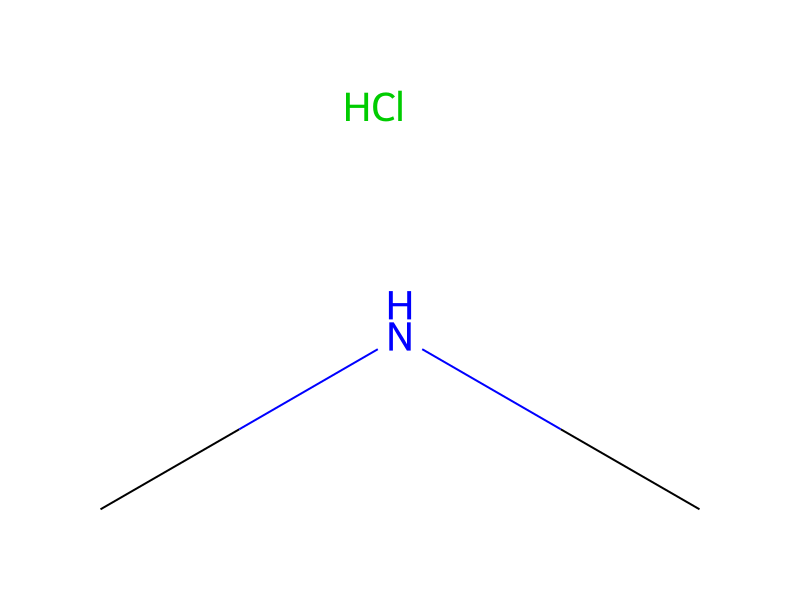
Cl[CH2:2][CH2:3][CH2:4][N:5]1[C:17]2[CH:16]=[CH:15][CH:14]=[CH:13][C:12]=2[C:11]2[C:6]1=[CH:7][CH:8]=[CH:9][CH:10]=2.Cl.[CH3:19][NH:20][CH3:21].C([O-])([O-])=O.[K+].[K+].[I-].[K+]>C(#N)C>[CH3:19][N:20]([CH2:2][CH2:3][CH2:4][N:5]1[C:17]2[CH:16]=[CH:15][CH:14]=[CH:13][C:12]=2[C:11]2[C:6]1=[CH:7][CH:8]=[CH:9][CH:10]=2)[CH3:21]Participants
6





Procedure
9-(3-chloropropyl)carbazole (2.5 g, 10 mmol) was dissolved in acetonitrile (50 mL) in a pressure tube and dimethylamine hydrochloride (12.2 g, 150 mmol, followed by K2CO3 (20.8 g, 150 mmol) and potassium iodide (0.2 g, 1 mmol) were added and the mixture was stirred at room temperature for 7 days, then filtered and the filtrate concentrated in vacuo. The crude was purified by column chromatography (eluting with 5% methanol in dichloromethane) to afford 1.87 g of the title compound.
Workup
- additionwere added
- filtrationfiltered
- concentrationthe filtrate concentrated in vacuo
- customThe crude was purified by column chromatography (eluting with 5% methanol in dichloromethane)
Sources & evidence
- ORD record
- ord-408fbd6a2a70447f9cd3f57208370935
- Source dataset
- uspto-grants-2007_02
- Patent number
- US07176322B2
Reaction notes
Loading…