Hydrochloric Acid → 2-Ethyl piperazine hydrochloride
Reaction equation

[ClH:1].C([N:9]1[CH2:14][CH2:13][N:12](CC2C=CC=CC=2)[CH2:11][CH:10]1[CH:22]=[CH2:23])C1C=CC=CC=1>C(O)C.[OH-].[Pd+2].[OH-]>[ClH:1].[CH2:22]([CH:10]1[CH2:11][NH:12][CH2:13][CH2:14][NH:9]1)[CH3:23]Participants
5
Reactant 2


Product 1

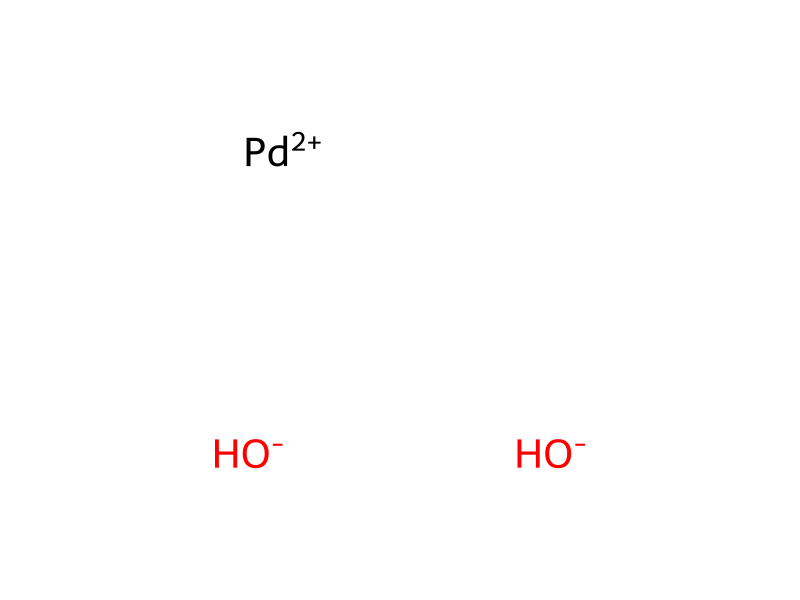
Reagents, catalysts & solvents 2

Procedure
At room temperature, concentrated hydrochloric acid (6 ml) and palladium hydroxide (1.1 g) were added to solution (600 ml) of 1,4-dibenzyl-2-ethenylpiperazine (10.9 g)in ethanol, followed by stirring for 12 hours under a hydrogen gas stream of 1 atmospheric pressure. The catalyst was filtered off and the solvent was distilled off under reduced pressure. The resulting residue was solidified using methylene chloride—diethyl ether, followed by washing with diethyl ether. The resulting solid was dried under reduced pressure, whereby the title compound (6.516 g) was obtained as a brown solid.
Workup
- filtrationThe catalyst was filtered off
- distillationthe solvent was distilled off under reduced pressure
- washby washing with diethyl ether
- dry with materialThe resulting solid was dried under reduced pressure, whereby the title compound (6.516 g)
- customwas obtained as a brown solid
Sources & evidence
- ORD record
- ord-76c90d2979024a5e9b56c257aedb4e24
- Source dataset
- uspto-grants-2004_06
- Patent number
- US06747023B1
Reaction notes
Loading…