3,4-dihydro-2H-pyran → 2H-Pyran, 2-[(6-bromo-2,3-dihydro-1H-inden-1-yl)oxy]tetrahydro-
Reaction equation

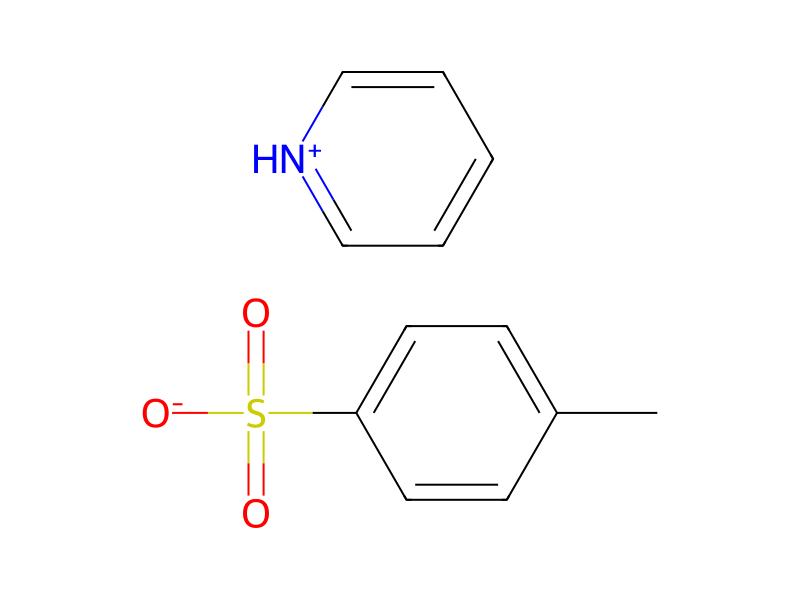
[Br:1][C:2]1[CH:10]=[C:9]2[C:5]([CH2:6][CH2:7][CH:8]2[OH:11])=[CH:4][CH:3]=1.[O:12]1[CH:17]=[CH:16][CH2:15][CH2:14][CH2:13]1>ClCCl.C1(C)C=CC(S([O-])(=O)=O)=CC=1.[NH+]1C=CC=CC=1>[Br:1][C:2]1[CH:10]=[C:9]2[C:5]([CH2:6][CH2:7][CH:8]2[O:11][CH:13]2[CH2:14][CH2:15][CH2:16][CH2:17][O:12]2)=[CH:4][CH:3]=1Participants
5
Reactant 2


Product 1

Reagents, catalysts & solvents 2

Procedure
6-Bromoindan-1-ol (3.01 g) and dihydropyrane (1.78 g) are dissolved in dichloromethane (50 ml), and thereto is added pyridinium p-toluenesulfonate (178 mg), and the mixture is stirred at room temperature for 1.5 hour. The reaction solution is washed with a saturated aqueous sodium hydrogen carbonate solution, dried, and evaporated to remove the solvent. The residue is purified by silica gel column chromatography (solvent; hexane/ethyl acetate) to give 6-bromo-1-tetrahydropyranyloxyindane (4.10 g).
Workup
- washThe reaction solution is washed with a saturated aqueous sodium hydrogen carbonate solution
- customdried
- customevaporated
- customto remove the solvent
- customThe residue is purified by silica gel column chromatography (solvent; hexane/ethyl acetate)
Sources & evidence
- ORD record
- ord-5135e125cd8c4d889146370d3ce2b8cd
- Source dataset
- uspto-grants-1998_11
- Patent number
- US05830873
Reaction notes
Loading…