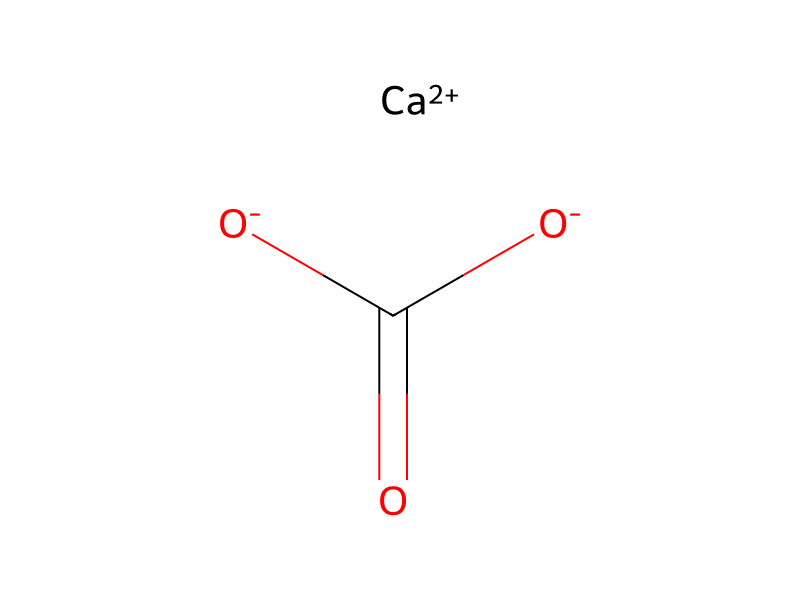
Calcium Carbonate → HCID 18941067, compound
Reaction equation

[C:1]([O:5][C:6]([NH:8][CH:9]1[CH2:13][CH2:12][CH2:11][CH:10]1[C:14](=[S:16])[NH2:15])=[O:7])([CH3:4])([CH3:3])[CH3:2].Br[CH:18]1[CH2:26][C:25]2[C:20](=[CH:21][CH:22]=[CH:23][CH:24]=2)[C:19]1=O.C(=O)([O-])[O-].[Ca+2]>C(O)(C)C>[C:1]([O:5][C:6]([NH:8][CH:9]1[CH2:13][CH2:12][CH2:11][CH:10]1[C:14]1[S:16][C:18]2[CH2:26][C:25]3[CH:24]=[CH:23][CH:22]=[CH:21][C:20]=3[C:19]=2[N:15]=1)=[O:7])([CH3:4])([CH3:2])[CH3:3]Participants
5
Reactant 3


Product 1

Reagents, catalysts & solvents 1

Procedure
In 50 ml of isopropanol, 0.63 g of 2-(tert-butoxy-carbonylamino)cyclopentanecarbothioamide and 0.54 g of 2-bromo-1-indanone were dissolved. Then, 0.26 g of calcium carbonate was added, followed by heating under reflux for 3 hours. After cooling, the insoluble matter was removed by filtration, and the solvent was evaporated. The resulting residue was subjected to silica gel column chromatography eluted with chloroform-methanol-29% aqueous ammonia (100:10:1). The resulting crystals were recrystallized from diethyl ether, whereby 0.11 g of 2-[2-(tert-butoxycarbonylamino)cyclopentyl]-8H-indeno[1,2-d]thiazole was obtained.
Workup
- temperatureby heating
- temperatureunder reflux for 3 hours
- temperatureAfter cooling
- customthe insoluble matter was removed by filtration
- customthe solvent was evaporated
- washeluted with chloroform-methanol-29% aqueous ammonia (100:10:1)
- customThe resulting crystals were recrystallized from diethyl ether
Sources & evidence
- ORD record
- ord-13ed4c7bf85040bf85d8d5fa7c6e8218
- Source dataset
- uspto-grants-1998_11
- Patent number
- US05834499
Reaction notes
Loading…