Estrone → 16-Bromo-3-hydroxyestra-1(10),2,4-trien-17-one
Reaction equation

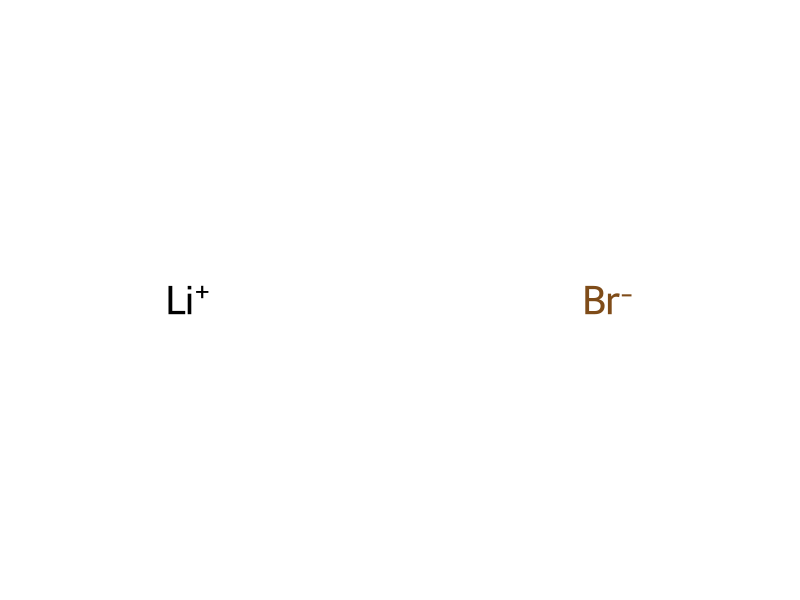
[CH3:1][C@@:2]12[C:18](=[O:19])[CH2:17][CH2:16][C@H:15]1[C@H:14]1[C@@H:5]([C:6]3[CH:7]=[CH:8][C:9]([OH:20])=[CH:10][C:11]=3[CH2:12][CH2:13]1)[CH2:4][CH2:3]2.[Li+].[Br-:22].[BH4-].[Na+]>C(OCC)(=O)C.C1C=CC=CC=1>[CH3:1][C@@:2]12[C:18](=[O:19])[C@H:17]([Br:22])[CH2:16][C@H:15]1[C@@H:14]1[CH2:13][CH2:12][C:11]3[CH:10]=[C:9]([OH:20])[CH:8]=[CH:7][C:6]=3[C@H:5]1[CH2:4][CH2:3]2Participants
Reactant 3


Product 1

Reagents, catalysts & solvents 2


Procedure
16α-Bromoestrone was prepared by bromination of the enol acetate of estrone and then epimerized with LiBr (as described by Fishman et al., J. Org. Chem. 23, 1190 (1958) and Mueller et al., supra, which are hereby incorporated by reference). The resulting mixture of 16α- and 16β-bromoestrone was reduced with NaBH4. All four of the possible bromohydrins were isolated from the reaction mixture by chromatography on silica gel in 5 percent ethyl acetate in benzene. The second compound eluted from the column (60 percent of the reaction mixture) melted at 176° to 178° C., where-upon a new crystalline structure formed (melting point, 255° to 256° C.). It was identified as 16β-bromoestradiol by reaction with KOH to form estrone (cis-bromohydrin); epimerization with LiBr to form 16α-bromoestradiol (compared to an authentic sample); and its mass spectrum. 16α-Iodoestradiol (melting point, 190° to 191° C.) was synthesized from 16β-bromoestradiol by exchange with NaI. Its nuclear magnetic resonance (NMR) and mass spectra were consistent with the predicted structure.
Workup
- additionThe resulting mixture of 16α- and 16β-bromoestrone
Sources & evidence
- ORD record
- ord-f9164b84394742eca4c5e89dd7944392
- Source dataset
- uspto-grants-1984_08
- Patent number
- US04465676
Reaction notes
Loading…