Hydrochloric Acid → 2-(4-methoxyphenyl)-4,5-dimethyloxazole N-oxide hydrochloride
Reaction equation

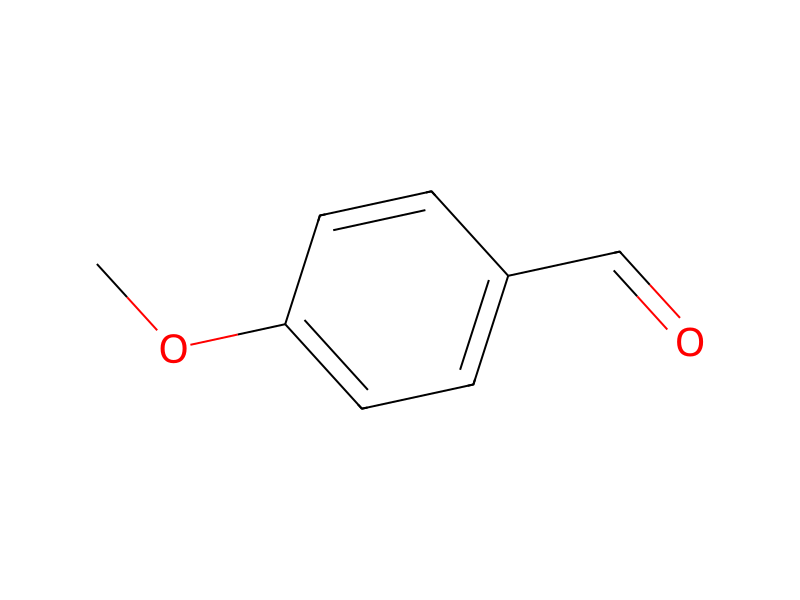
[CH3:1][O:2][C:3]1[CH:4]=[CH:5][C:6]([CH:9]=[O:10])=[CH:7][CH:8]=1.[CH3:11][C:12](=[N:16][OH:17])[C:13](=O)[CH3:14].[ClH:18]>C(O)(=O)C>[ClH:18].[CH3:1][O:2][C:3]1[CH:8]=[CH:7][C:6]([C:9]2[O:10][C:13]([CH3:14])=[C:12]([CH3:11])[N+:16]=2[O-:17])=[CH:5][CH:4]=1Participants
5
Reactant 3


Product 1

Reagents, catalysts & solvents 1

Procedure
A mixture of 68.07 g of anisaldehyde, 50.5 g of 2,3-butanedione mono-oxime and 150 ml of acetic acid was saturated with hydrogen chloride gas and the mixture was allowed to stand at room temperature for 3 hours. The solid product was collected and recrystallized from methanol to give 2-(4-methoxyphenyl)-4,5-dimethyloxazole N-oxide hydrochloride, m.p. 194°-196° C. The latter was converted to the free base for use in the next reaction by treatment with sodium bicarbonate solution.
Workup
- customThe solid product was collected
- customrecrystallized from methanol
Sources & evidence
- ORD record
- ord-b36a4cf35ab744a888817db0b69406a2
- Source dataset
- uspto-grants-1991_03
- Patent number
- US05002960
Reaction notes
Loading…