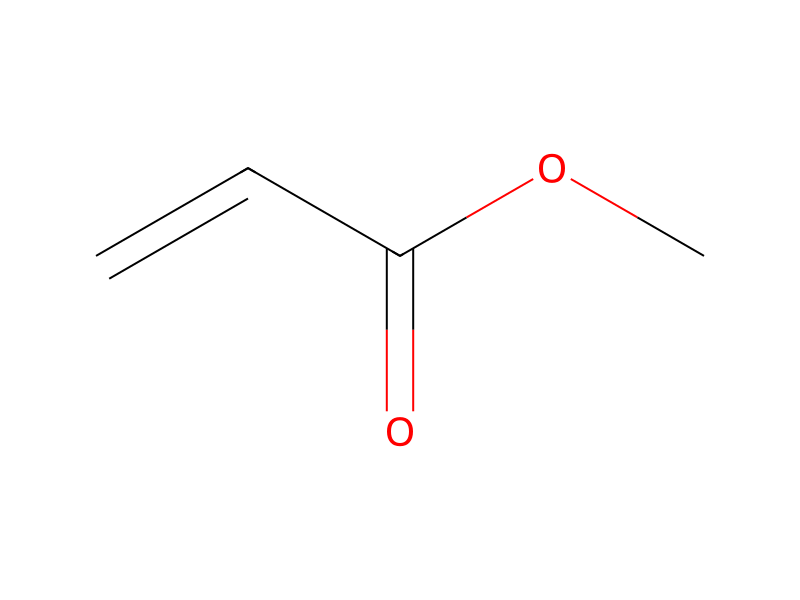
Methyl Acrylate → Methyl 3-(2-(methoxycarbonyl)vinyl)-4,7-dimethylindole-2-carboxylate
Reaction equation

[CH3:1][C:2]1[CH:10]=[CH:9][C:8]([CH3:11])=[C:7]2[C:3]=1[CH:4]=[C:5]([C:12]([O:14][CH3:15])=[O:13])[NH:6]2.[C:16]([O:20][CH3:21])(=[O:19])[CH:17]=[CH2:18]>C(#N)C.C([O-])(=O)C.[Pd+2].C([O-])(=O)C>[CH3:21][O:20][C:16]([CH:17]=[CH:18][C:4]1[C:3]2[C:7](=[C:8]([CH3:11])[CH:9]=[CH:10][C:2]=2[CH3:1])[NH:6][C:5]=1[C:12]([O:14][CH3:15])=[O:13])=[O:19]Participants
5




Conditions
- Temperature
- 0 °C
Procedure
In 23 ml of anhydrous acetonitrile were dissolved 1.5 g (7.4 mmol) of methyl 4,7-dimethylindole-2-carboxylate and 7.6 ml of methyl acrylate. The air in the reaction system was substituted with nitrogen. After cooling the reaction mixture to 0° C., 1.66 g (7.4 mmol) of palladium acetate was added and the reaction mixture was stirred for 30 minutes. Stirring was further continued at room temperature for 19 hours. After addition of 60 ml of acetonitrile, the reaction mixture was subjected to Celite filtration. The filtrate was concentrated under reduced pressure and the solids thus obtained were purified by silica gel column chromatography to provide 680 mg of yellow crystals. Yield: 48%
Workup
- stirringStirring
- waitwas further continued at room temperature for 19 hours
- filtrationthe reaction mixture was subjected to Celite filtration
- concentrationThe filtrate was concentrated under reduced pressure
- customthe solids thus obtained
- customwere purified by silica gel column chromatography
Sources & evidence
- ORD record
- ord-4cbc9c815bee405e9040df728c41b8a5
- Source dataset
- uspto-grants-1999_02
- Patent number
- US05866594
Reaction notes
Loading…