Potassium Iodide → 1-(2-chloroethoxy)-3-nitrobenzene
Reaction equation

[N+:1]([C:4]1[CH:5]=[C:6]([OH:10])[CH:7]=[CH:8][CH:9]=1)([O-:3])=[O:2].C(=O)([O-])[O-].[K+].[K+].Br[CH2:18][CH2:19][Cl:20].[I-].[K+]>CC(C)=O.[Br-].C([N+](CCCC)(CCCC)CCCC)CCC>[Cl:20][CH2:19][CH2:18][O:10][C:6]1[CH:7]=[CH:8][CH:9]=[C:4]([N+:1]([O-:3])=[O:2])[CH:5]=1Participants
7






Procedure
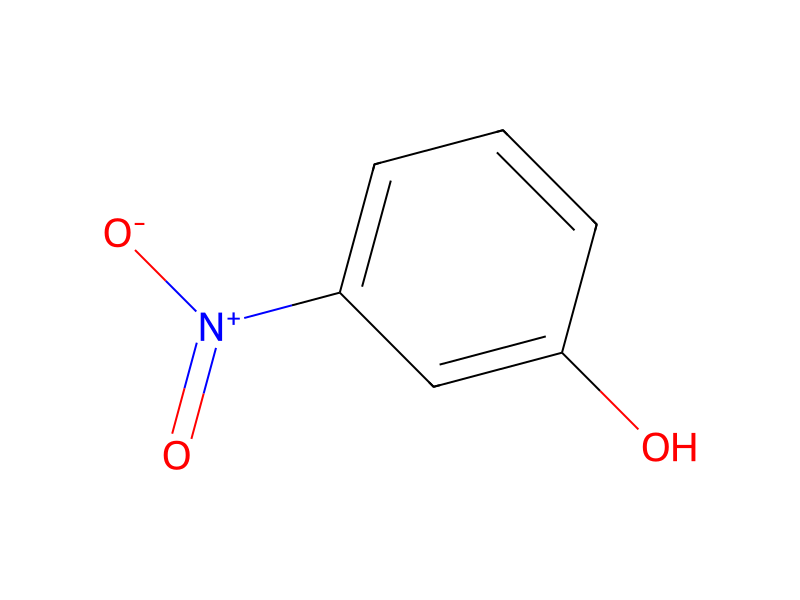
60 g of 3-nitrophenol, 88 g of potassium carbonate and 178 ml of 1-bromo-2-chloroethane are boiled under reflux for 36 h in 800 ml of acetone together with 1.5 g of tetrabutylammonium bromide and 2.0 g of potassium iodide. The mixture is then cooled to RT and concentrated in an RE. The mixture is treated with water, extracted 3 times with ethyl acetate and concentrated. The residue is chromatographed using methylene chloride and the product-containing fractions are concentrated. 1-(2-chloroethoxy)-3-nitrobenzene are obtained as an oil which may crystallize (m.p. 58°-60° C).
Workup
- concentrationconcentrated in an RE
- additionThe mixture is treated with water
- extractionextracted 3 times with ethyl acetate
- concentrationconcentrated
- customThe residue is chromatographed
- concentrationthe product-containing fractions are concentrated
Sources & evidence
- ORD record
- ord-99657582825341e6a9fa013d11a586f9
- Source dataset
- uspto-grants-1999_02
- Patent number
- US05869485
Reaction notes
Loading…