Benzaldehyde → HCID 54486151, compound
Reaction equation

[NH2:1][CH2:2][C:3]([OH:5])=[O:4].[CH:6](=[O:13])[C:7]1[CH:12]=[CH:11][CH:10]=[CH:9][CH:8]=1.[OH-].[Na+].Cl>O>[CH:6](=[N:1][C@H:2]([C:3]([OH:5])=[O:4])[CH:6]([C:7]1[CH:12]=[CH:11][CH:10]=[CH:9][CH:8]=1)[OH:13])[C:7]1[CH:12]=[CH:11][CH:10]=[CH:9][CH:8]=1Participants
Reactant 4


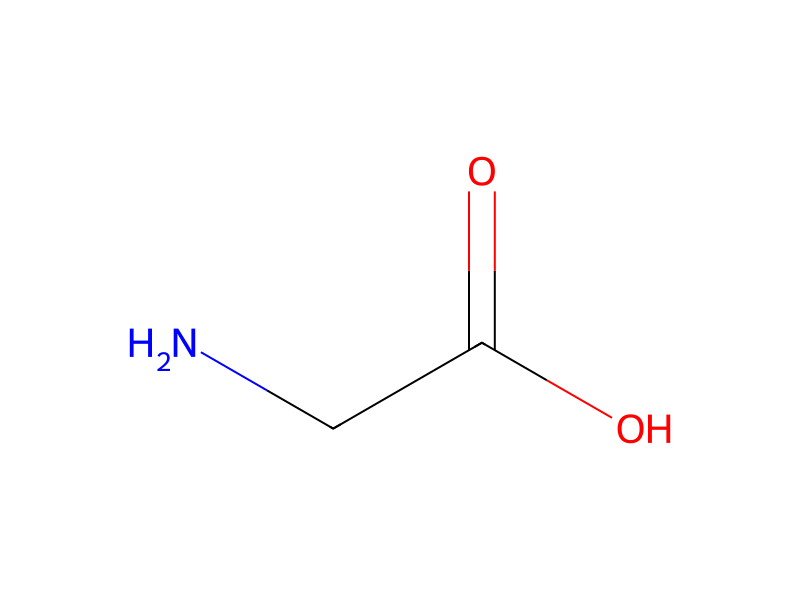

Product 1

Reagents, catalysts & solvents 1

Procedure
There are prior methods of producing β-phenylalanine derivatives. For example, there is (1) a method which comprises reacting a copper complex of glycine with a benzaldehyde (for example, West German Pat. No. 960,722). The use of the copper salt, however, gives rise to a pollution problem, and the treatment of the waste water becomes troublesome. Moreover, this method generally has the defect of low yields. Another well known method is (2) a method of producing a β-phenylserine which comprises reacting glycine and a benzaldehyde in the presence of an alkali and then treating the product with an acid. For example, according to Kenneth N. F. Shaw and Sidney W. Fox, Journal of American Chemical Society, 75, 3419 (1953), β-phenylserine is obtained in a yield of 70% by reacting glycine and benzaldehyde in the presence of sodium hydroxide in water and treating the product with hydrochloric acid. This method, however, has a serious problem. As stated in the above-cited reference, the sodium salt of N-benzylidene-β-phenylserine, the reaction product of glycine and benzaldehyde, is temporarily precipitated, and the reaction mixture solidifies wholly. As a result, it becomes impossible to stir the reaction mixture mechanically. According to the reaction mechanism as shown in the reaction scheme (1) below, first 1 mole of glycine is condensed with 1 mole of benzaldehyde to form N-benzylidene-β-phenylserine. By treating the N-benzylidene-β-phenylserine with an acid, the desired β-phenylserine is formed. ##STR1##
Workup
- customthe sodium salt of N-benzylidene-β-phenylserine, the reaction product of glycine and benzaldehyde, is temporarily precipitated
Sources & evidence
- ORD record
- ord-e609e60d6f824afd82d7492ff8e7421f
- Source dataset
- uspto-grants-1986_08
- Patent number
- US04605759
Reaction notes
Loading…