Acetic Acid → HCID 23284704, compound
Reaction equation

C([NH:8][C:9]1[C:18]([Cl:19])=[C:17]2[C:12]([C:13](=[O:41])[C:14]([C:36]([O:38][CH2:39][CH3:40])=[O:37])=[CH:15][N:16]2[C:20]2[CH:25]=[C:24]([NH:26][C:27]([O:29][C:30]([CH3:33])([CH3:32])[CH3:31])=[O:28])[C:23]([F:34])=[CH:22][C:21]=2[F:35])=[CH:11][C:10]=1[F:42])C1C=CC=CC=1.C(O)(=O)C.[H][H]>ClCCCl.[OH-].[Pd+2].[OH-]>[NH2:8][C:9]1[C:18]([Cl:19])=[C:17]2[C:12]([C:13](=[O:41])[C:14]([C:36]([O:38][CH2:39][CH3:40])=[O:37])=[CH:15][N:16]2[C:20]2[CH:25]=[C:24]([NH:26][C:27]([O:29][C:30]([CH3:32])([CH3:31])[CH3:33])=[O:28])[C:23]([F:34])=[CH:22][C:21]=2[F:35])=[CH:11][C:10]=1[F:42]Participants




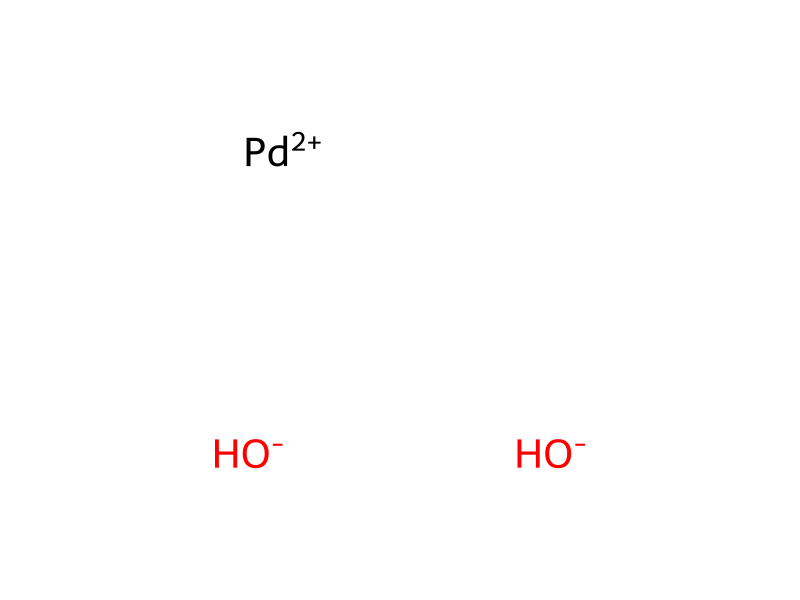

Procedure
Ethyl 7-benzylamino-1-(5-tert-butoxycarbonylamino-2,4-difluorophenyl)-8-chloro-6-fluoro-4-oxo-1,4-dihydroquinoline-3-carboxylate (3.2 g) was dissolved in 1,2-dichloroethane (40 ml). An acetic acid suspension (10 ml) of 20% palladium hydroxide (300 mg) was added to this solution, and the mixture was stirred overnight at 60° C. in a hydrogen atmosphere. An acetic acid suspension (4 ml) of 20% palladium hydroxide (100 mg) was additionally added, and the resultant mixture was stirred overnight at the same temperature. After the reaction mixture was cooled back to room temperature, palladium hydroxide was removed by filtration. After the solvent was distilled off under reduced pressure, diisopropyl ether was added to the residue, and solids were collected by filtration to obtain the title compound (2.5 g) as an amorphous substance.
Workup
- custompalladium hydroxide was removed by filtration
- distillationAfter the solvent was distilled off under reduced pressure, diisopropyl ether
- additionwas added to the residue, and solids
- filtrationwere collected by filtration
Sources & evidence
- ORD record
- ord-924d5c183056484ca0b6e5963cbc8130
- Source dataset
- uspto-grants-2000_10
- Patent number
- US06136823
Reaction notes
Loading…