3-Chloroaniline → 4-(3-Chloro-anilino)-6-phenyl-7H-pyrrolo[2,3-d]pyrimidine
Reaction equation

Cl[C:2]1[C:3]2[CH:10]=[C:9]([C:11]3[CH:16]=[CH:15][CH:14]=[CH:13][CH:12]=3)[NH:8][C:4]=2[N:5]=[CH:6][N:7]=1.[Cl:17][C:18]1[CH:19]=[C:20]([CH:22]=[CH:23][CH:24]=1)[NH2:21]>C(O)CCC.CN1C(=O)N(C)CCC1>[Cl:17][C:18]1[CH:19]=[C:20]([CH:22]=[CH:23][CH:24]=1)[NH:21][C:2]1[C:3]2[CH:10]=[C:9]([C:11]3[CH:16]=[CH:15][CH:14]=[CH:13][CH:12]=3)[NH:8][C:4]=2[N:5]=[CH:6][N:7]=1Participants
5



Procedure
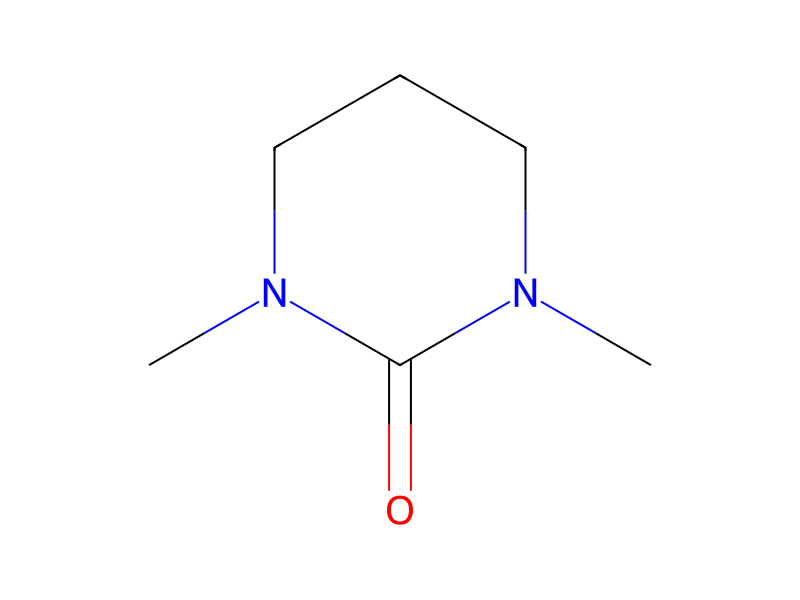
A suspension of 1.251 g (5.45 mmol) of 4-chloro-6-phenyl-7H-pyrrolo[2,3-d]pyrimidine and 1.15 ml (10.9 mmol) of 3-chloro-aniline in 20 ml of n-butanol and 0.5 ml of DMPU is heated at boiling for 2 hours. The reaction mixture is cooled and filtered. Stirring of the residue in hot THF/methanol yields the title compound; m.p. 285-286° C.; FAB-MS: (M+H)+ =321.
Workup
- temperatureis heated
- temperatureThe reaction mixture is cooled
- filtrationfiltered
Sources & evidence
- ORD record
- ord-cc7c3d072056483bbd490e35c7107d83
- Source dataset
- uspto-grants-2000_10
- Patent number
- US06140332
Reaction notes
Loading…