Sodium Iodide → N-Benzyl-N-ethyl-N-[2-[5-(1,2,4-triazol-1-ylmethyl)-1H-indol-3-yl]ethyl]amine Hydrogen Oxalate
Reaction equation

[N:1]1([CH2:6][C:7]2[CH:8]=[C:9]3[C:13](=[CH:14][CH:15]=2)[NH:12][CH:11]=[C:10]3[CH2:16][CH2:17][OH:18])[CH:5]=[N:4][CH:3]=[N:2]1.C(N(CC)CC)C.CS(Cl)(=O)=O.S([O-])(=O)(=[O:33])C.[C:36](=[O:39])([O-:38])[O-].[K+].[K+].[I-].[Na+].[CH2:44]([NH:46][CH2:47][C:48]1[CH:53]=[CH:52][CH:51]=[CH:50][CH:49]=1)[CH3:45]>O1CCCC1.O>[C:17]([OH:18])(=[O:33])[C:36]([OH:38])=[O:39].[CH2:47]([N:46]([CH2:44][CH3:45])[CH2:17][CH2:16][C:10]1[C:9]2[C:13](=[CH:14][CH:15]=[C:7]([CH2:6][N:1]3[CH:5]=[N:4][CH:3]=[N:2]3)[CH:8]=2)[NH:12][CH:11]=1)[C:48]1[CH:53]=[CH:52][CH:51]=[CH:50][CH:49]=1Participants
Reactant 7




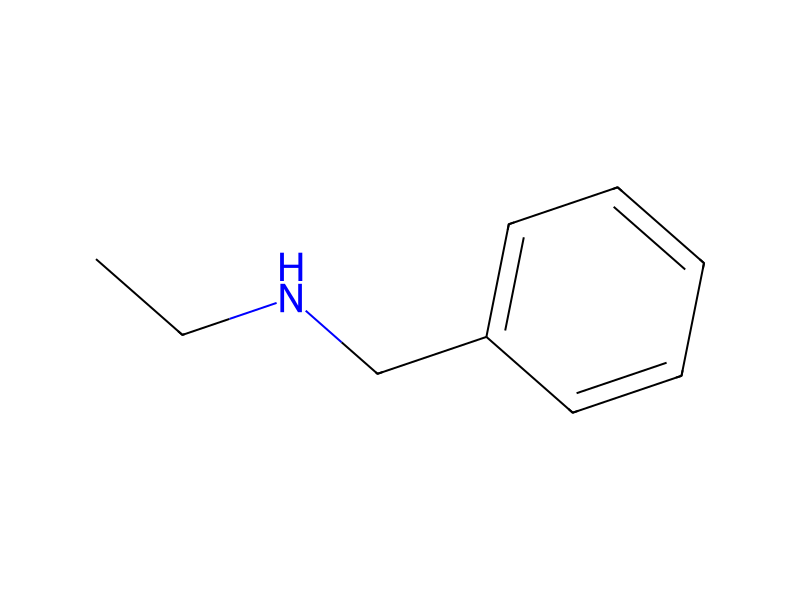
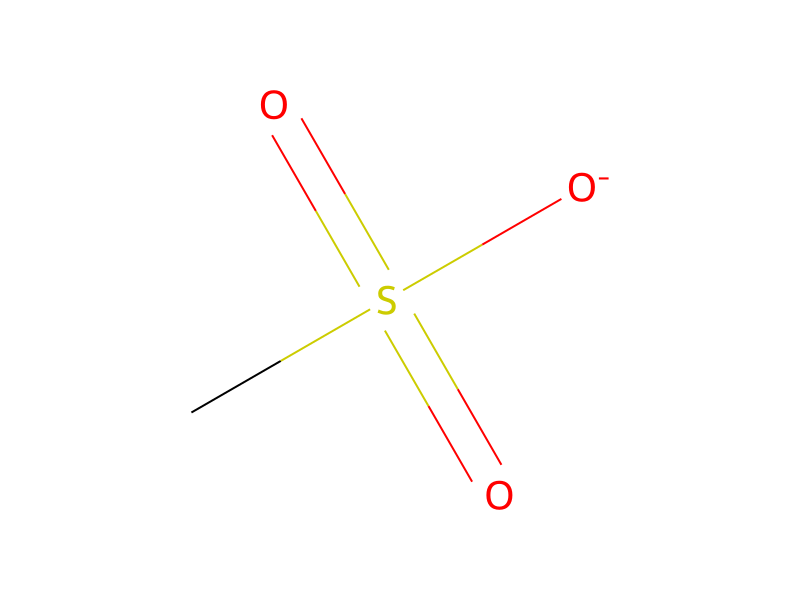

Product 1

Reagents, catalysts & solvents 2


Conditions
- Temperature
- -5 °C
Procedure
A stirred, cooled (-5° C.) solution of 2-[5-(1,2,4-triazol-1-ylmethyl)-1H-indol-3-yl]ethanol (1.20 g, 4.96 mmol, Tet. Letts. 1994, 35, 6981-6984) in anhydrous tetrahydrofuran (100 ml) was treated with triethylamine (0.83 ml, 5.95 mmol) and methanesulphonyl chloride (0.47 ml, 5.95 mmol). After stirring at -5° C. for 30 minutes the mixture was filtered and the solids washed through with tetrahydrofuran (25 ml). The mesylate solution was treated with potassium carbonate (0.82 g, 5.95 mmol), sodium iodide (0.89 g, 5.95 mmol), N-ethylbenzylamine (3.6 ml, 24.8 mmol) and water (3 ml). The reaction mixture was stirred whilst heating at reflux for 4 days. The mixture was evaporated then the residue partitioned between dichloromethane (50 ml) and water (20 ml). The organic layer was collected, then extracted with 5M hydrochloric acid (2×30 ml). The aqueous extracts were combined, washed with ethyl acetate (2×30 ml), basified to pH=12 with 40% aqueous sodium hydroxide solution then extracted with dichloromethane (3×30 ml). The combined organic extracts were dried (potassium carbonate) then evaporated to give the crude product which was purified using column chromatography on silica, eluting with dichloromethane/methanol/ammonia (19:1:0.5) to give the title product free base as a pale yellow gum (1.10 g, 62%). The hydrogen oxalate salt had mp 153-156° C. MS, ES+, m/z=360 for (M+H)+ ; δ (360 MHz, d6 -DMSO) 1.26 (3H, t, J=7 Hz), 3.00-3.20 (6H, m), 4.31 (2H, s), 5.41 (2H, s), 7.05 (1H, d, J=8 Hz), 7.23 (1H, d, J=2 Hz), 7.33 (1H, d, J=8 Hz), 7.43-7.47 (4H, m), 7.54-7.57 (2H, m), 7.95 (1H, s), 8.60 (1H, s), 11.02 (1H, s). (Found: C, 61.94; H, 5.77; N, 14.25. C22H25N5. 1.35C2H2O4 requires C, 61.68; H, 5.80; N, 14.56%).
Workup
- filtrationwas filtered
- washthe solids washed through with tetrahydrofuran (25 ml)
- stirringThe reaction mixture was stirred
- temperaturewhilst heating
- temperatureat reflux for 4 days
- customThe mixture was evaporated
- customthe residue partitioned between dichloromethane (50 ml) and water (20 ml)
- customThe organic layer was collected
- extractionextracted with 5M hydrochloric acid (2×30 ml)
- washwashed with ethyl acetate (2×30 ml)
- extractionthen extracted with dichloromethane (3×30 ml)
- dry with materialThe combined organic extracts were dried (potassium carbonate)
- customthen evaporated
- customto give the crude product which
- customwas purified
- washeluting with dichloromethane/methanol/ammonia (19:1:0.5)
Sources & evidence
- ORD record
- ord-13e1247a8f944f41b1e9d1dd67e9550c
- Source dataset
- uspto-grants-2000_10
- Patent number
- US06140347
Reaction notes
Loading…