Ammonia → Dichlobenil
Reaction equation

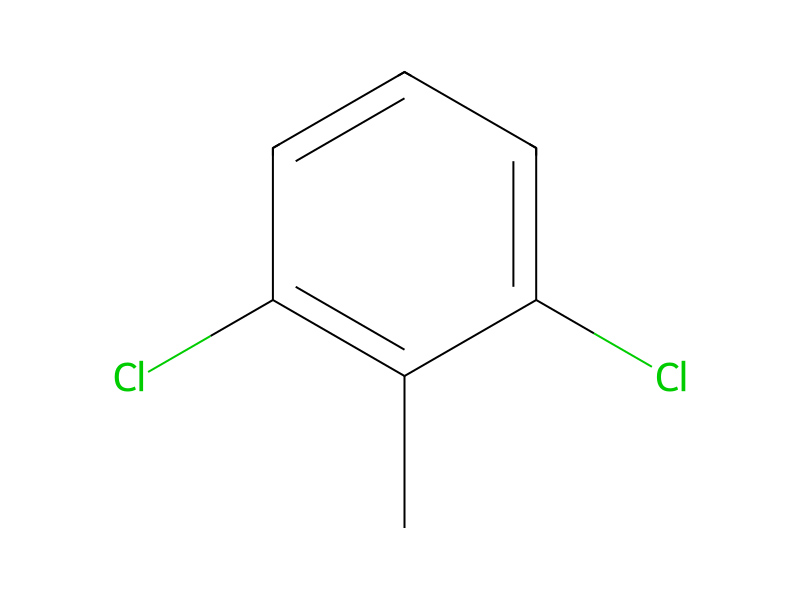
[Cl:1][C:2]1[CH:7]=[CH:6][CH:5]=[C:4]([Cl:8])[C:3]=1[CH3:9].C(Br)C.[NH3:13].O=O>>[Cl:1][C:2]1[CH:7]=[CH:6][CH:5]=[C:4]([Cl:8])[C:3]=1[C:9]#[N:13]Participants
5




Procedure
270 g of this catalyst was charged into the same fluidized bed reactor as used in Example 1. The catalyst layer was kept at 390° C. To the catalyst layer were fed air, 2,6-dichlorotoluene containing 2% of ethyl bromide, and ammonia at rates of 71.6 N liters, 25.0 g, and 17 N liters per hour, respectively. The ratio of 2,6-dichlorotoluene:oxygen:ammonia was 1.0:4.2:5.0. 2,6-dichlorobenzonitrile was obtained in an amount of 21.5 g per hour. The quantity of unreacted 2,6-dichlorotoluene was 1.6 g. Conversion was 94.5%, yield was 82.3%, and selectivity was 87.1%.
Workup
- customwas kept at 390° C
Sources & evidence
- ORD record
- ord-9793fdd32cef4071915b107c6b5379ee
- Source dataset
- uspto-grants-1985_07
- Patent number
- US04530797
Reaction notes
Loading…