Benzene → 3-Cyclopropylcarbonyl-1-phenyl-3-azabicyclo[3.1.0]hexane
Reaction equation

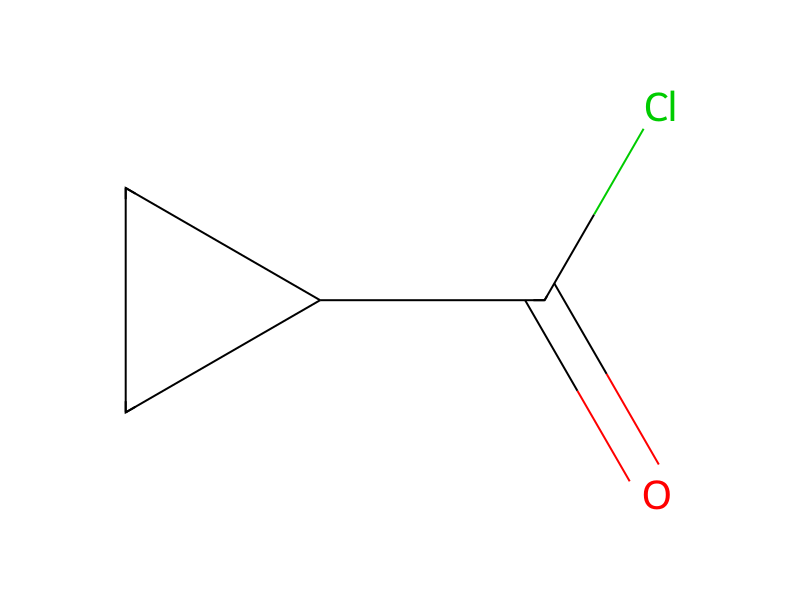
[C:1]1([C:7]23[CH2:12][CH:11]2[CH2:10][NH:9][CH2:8]3)[CH:6]=[CH:5][CH:4]=[CH:3][CH:2]=1.C1C=CC=CC=1.C(N(CC)CC)C.[CH:26]1([C:29](Cl)=[O:30])[CH2:28][CH2:27]1>O>[CH:26]1([C:29]([N:9]2[CH2:10][CH:11]3[C:7]([C:1]4[CH:2]=[CH:3][CH:4]=[CH:5][CH:6]=4)([CH2:12]3)[CH2:8]2)=[O:30])[CH2:28][CH2:27]1Participants
6





Procedure
To a solution of 15.9 g. of 1-phenyl-3-azabicyclo-[3.1.0]hexane in 100 ml. of benzene and 20 ml. of triethylamine is added 11.0 g. of cyclopropanecarboxylic acid chloride in 20 ml. of benzene over 5 minutes. The mixture is stirred for 30 minutes and 50 ml. of water is added. The benzene layer is extracted with dilute sodium bicarbonate followed by dilute hydrochloric acid and then water, dried over magnesium sulfate and evaporated to give the product as a brown oil.
Workup
- extractionThe benzene layer is extracted with dilute sodium bicarbonate
- dry with materialwater, dried over magnesium sulfate
- customevaporated
Sources & evidence
- ORD record
- ord-6c7e786f5e7246dd812b2581f5b5eec3
- Source dataset
- uspto-grants-1978_05
- Patent number
- US04088652
Reaction notes
Loading…