Pyridine → N-(6-methoxypyridin-3-yl)cyclopropanecarboxamide
Reaction equation

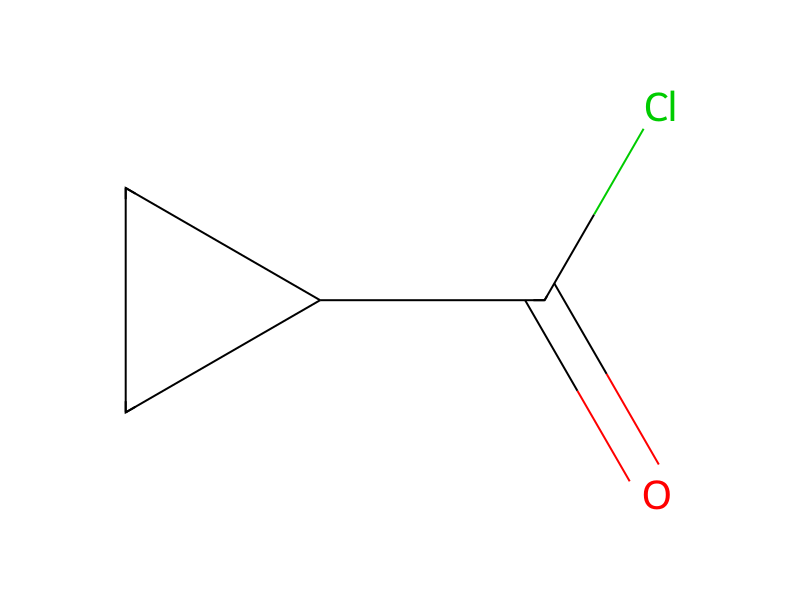
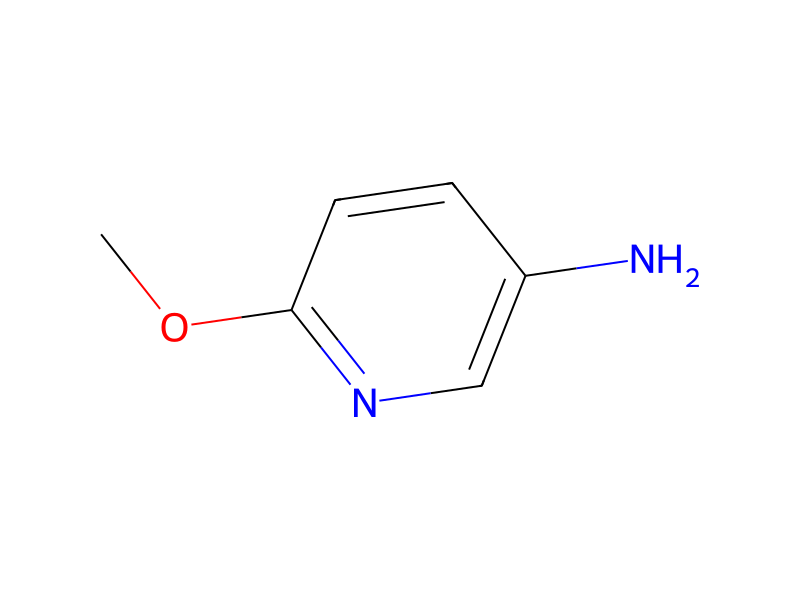
[NH2:1][C:2]1[CH:3]=[CH:4][C:5]([O:8][CH3:9])=[N:6][CH:7]=1.N1C=CC=CC=1.[CH:16]1([C:19](Cl)=[O:20])[CH2:18][CH2:17]1.[OH-].[Na+]>ClCCl.O>[CH3:9][O:8][C:5]1[CH:4]=[CH:3][C:2]([NH:1][C:19]([CH:16]2[CH2:18][CH2:17]2)=[O:20])=[CH:7][N:6]=1Participants





Procedure
5-Amino-2-methoxy pyridine (12.4 g, 0.10 mol) and pyridine (10 ml) were mixed together in dichloromethane (200 ml) in a reaction flask. Cyclopropane carboxylic acid chloride (9.1 ml, 0.10 mol) was added to the reaction mixture over a period of 2 minutes. The reaction was exothermic and the temperature rose to 34° C. The reaction was allowed to stand for one hour at room temperature, after which the reaction mixture was wsahed with 5% sodium hydroxide (200 ml) and water (100 ml). The resulting organic phase was separated and dried over anhydrous magnesium sulfate. Crystals formed, so the mixture was filtered and washed with 300 ml of acetone and the filtrate evaporated in vacuo to give a solid that was triturated with hexane to yield 16.7 g, after drying. The product was identified by infrared (IR) and nuclear magnetic spectroscopy (NMR) analysis as the title compound, having a melting pont of 130°-131° C.
Workup
- customrose to 34° C
- customThe resulting organic phase was separated
- dry with materialdried over anhydrous magnesium sulfate
- customCrystals formed, so the mixture
- filtrationwas filtered
- washwashed with 300 ml of acetone
- customthe filtrate evaporated in vacuo
- customto give a solid
- customthat was triturated with hexane
- customto yield 16.7 g
- customafter drying
- customa melting pont of 130°-131° C.
Sources & evidence
- ORD record
- ord-2b11a460bd3f4319bb59490f283d8137
- Source dataset
- uspto-grants-1992_11
- Patent number
- US05166215
Reaction notes
Loading…