Hydrochloric Acid → HCID 140397740, compound
Reaction equation

[C:1]([O:5][C:6](=[O:51])[CH2:7][N:8]1[CH2:13][CH2:12][N:11]([C:14](=[O:38])[C@@H:15]([NH:25][C:26](=[O:37])[C:27]2[CH:32]=[CH:31][C:30]([NH:33][C:34]([NH2:36])=[NH:35])=[CH:29][CH:28]=2)[CH2:16][C:17]2[CH:22]=[CH:21][C:20]([O:23][CH3:24])=[CH:19][CH:18]=2)[C@@H:10]([CH2:39][CH2:40][CH2:41][NH:42][C:43]([O:45][C:46]([CH3:49])([CH3:48])[CH3:47])=[O:44])[C:9]1=[O:50])([CH3:4])([CH3:3])[CH3:2].[OH-:52].[Na+].[CH3:54][O:55][C:56](Cl)=[O:57].Cl.O1C[CH2:64][O:63][CH2:62]C1>C(OCC)(=O)C>[C:1]([O:5][C:6](=[O:51])[CH2:7][N:8]1[CH2:13][CH2:12][N:11]([C:14](=[O:38])[C@@H:15]([NH:25][C:26](=[O:37])[C:27]2[CH:28]=[CH:29][C:30]([N:33]([C:64]([O:63][CH3:62])=[O:52])[C:34]([NH:36][C:56]([O:55][CH3:54])=[O:57])=[NH:35])=[CH:31][CH:32]=2)[CH2:16][C:17]2[CH:18]=[CH:19][C:20]([O:23][CH3:24])=[CH:21][CH:22]=2)[C@@H:10]([CH2:39][CH2:40][CH2:41][NH:42][C:43]([O:45][C:46]([CH3:49])([CH3:48])[CH3:47])=[O:44])[C:9]1=[O:50])([CH3:3])([CH3:2])[CH3:4]Participants

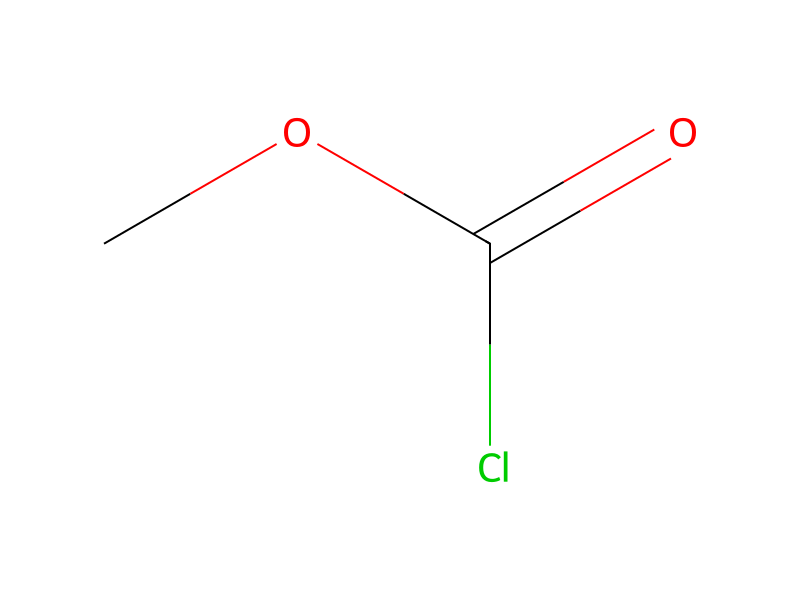





Conditions
- Temperature
- 0 °C
Procedure
In methanol (6.6 ml) was dissolved (S,S)-[4-[2-benzyloxycarbonylamino-3-(4-methoxyphenyl)propionyl]-3-(3-t-butoxycarbonylaminopropyl)-2-oxopiperazin-1-yl]acetic acid t-butyl ester (another name: (S,S)-4-[2-benzyloxycarbonylamino-3-(4-methoxyphenyl)propionyl]-3-(3-t-butoxycarbonylaminopropyl)-2-oxopiperazine-1-acetic acid t-butyl ester) (0.66 g, 0.97 mmol) produced in Reference Example 5. To the solution was added 10% Pd--C (0.26 g), and the mixture was stirred for one hour under hydrogen atmosphere. The catalyst was filtered off, and the filtrate was concentrated under reduced pressure. The concentrate was dissolved in a mixture of 1,4-dioxane (6.6 ml) and H2O (6.6 ml). To the solution were added, at room temperature, 4-guanidinobenzoic acid N-hydroxy-5-norbornene-2,3-dicarboximide ester (0.55 g, 1.45 mmol) and sodium hydrogencarbonate (0.12 g, 1.45 mmol). One hour later, the pH of the reaction system was adjusted with 1N HCl, and the reaction mixture was concentrated under reduced pressure. The concentrate was purified by means of a column chromatography (CHP-20, H2O-5% CH3CNaq-10% CH3CNaq-15% CH3CNaq-25% CH3CNaq-30% CH3CNaq) to afford (S,S)-[3-(3-t-butoxycarbonylaminopropyl)-4-[2-(4-guanidino-benzoylamino)-3-(4-methoxyphenyl)propionyl)-2-oxopiperazin-1-yl)acetic acid t-butyl ester (another name: (S,S)-3-(3-t-butoxycarbonylaminopropyl)-4-[2-(4-guanidinobenzoylamino)-3-(4-methoxyphenyl)propionyl]-2-oxopiperazine-1-acetic acid t-butyl ester) (0.50 g, 73%) as a colorless amorphous powdery product. This product was dissolved in 1,4-dioxane (5.0 ml), to which were added, while stirring at 0° C. and keeping the pH of the reaction system at 10 or below, 2N NaOH (2.46 ml, 4.93 mmol) and chlorocarbonic acid methyl ester (0.27 ml, 3.52 mmol). The mixture was stirred for 30 minutes at 0° C., whose pH was adjusted to 3 with 1N HCl, followed by shaking together with ethyl acetate for extraction. The organic layer was dried over anhydrous magnesium sulfate, followed by concentration under reduced pressure. The concentrate was purified by means of a silica gel column chromatography (hexane/ethyl acetate=1/10) to afford the title compound (0.42 g, 72%) as a colorless amorphous powdery product.
Workup
- additionwere added
- stirringThe mixture was stirred for 30 minutes at 0° C.
- dry with materialThe organic layer was dried over anhydrous magnesium sulfate
- concentrationfollowed by concentration under reduced pressure
- customThe concentrate was purified by means of a silica gel column chromatography (hexane/ethyl acetate=1/10)
Sources & evidence
- ORD record
- ord-4d88522b068040e08c041bf5151cb207
- Source dataset
- uspto-grants-2000_02
- Patent number
- US06020334
Reaction notes
Loading…