4-Hydroxybenzaldehyde → 4-{((2-Methyl-2-sulfanylpropyl)amino)methyl}phenol
Reaction equation

[OH:1][C:2]1[CH:9]=[CH:8][C:5]([CH:6]=O)=[CH:4][CH:3]=1.Cl.[NH2:11][CH2:12][C:13]([CH3:16])([SH:15])[CH3:14].C([O-])([O-])=O.[K+].[K+].[O-]S([O-])(=O)=O.[Mg+2]>C(Cl)(Cl)Cl>[CH3:14][C:13]([SH:15])([CH3:16])[CH2:12][NH:11][CH2:6][C:5]1[CH:8]=[CH:9][C:2]([OH:1])=[CH:3][CH:4]=1Participants
6
Reactant 4


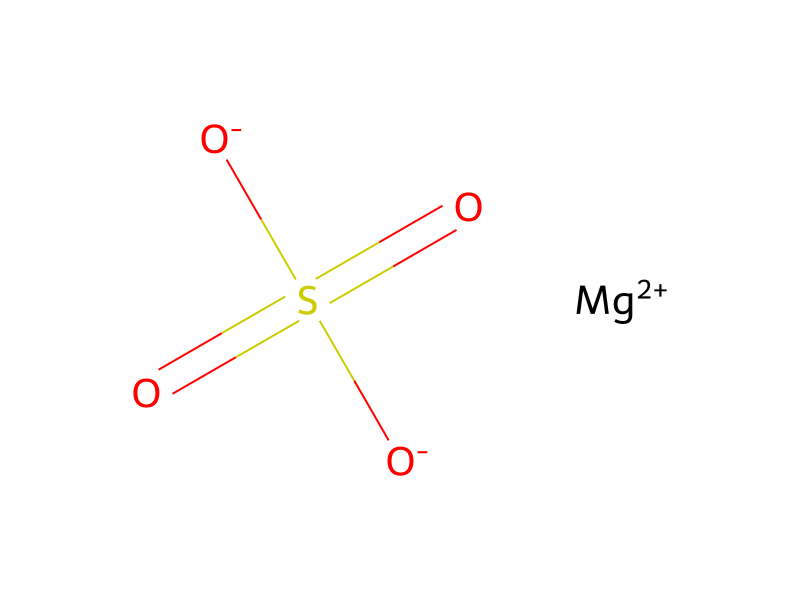

Product 1

Reagents, catalysts & solvents 1

Procedure
To a hot solution of 4-hydroxybenzaldehyde (8.90 g, 72.8 mmol) in CHCl3 (250 mL) were added 1-amino-2-methyl-2-propanethiol hydrochloride (10.32 g, 72.8 mmol), K2CO3 (20.2 g, 146 mmol), and MgSO4 (5 g). The mixture was stirred and refluxed under nitrogen atmosphere for 3 hours. After cooling, the mixture was filtered to remove inorganic solid, and the filter cake was washed through with MeOH (2×100 mL). Evaporation of the filtrate afforded the product 5a as a white solid (15 g, 98%). mp 85-87° C.; 1H NMR (CDCl3, 300 MHz) δ 7.38 (d, J=8.5 Hz, 2H), 6.76 (d, J=8.5 Hz, 2H), 5.74 (s, 1H), 3.25 (d, J=12.1 Hz, 1H), 3.01 (d, J=12.1 Hz, 1H), 1.59 (s, 3H), 1.58 (s, 3H).
Workup
- temperaturerefluxed under nitrogen atmosphere for 3 hours
- temperatureAfter cooling
- filtrationthe mixture was filtered
- customto remove inorganic solid
- washthe filter cake was washed through with MeOH (2×100 mL)
- customEvaporation of the filtrate
Sources & evidence
- ORD record
- ord-ea0f7f38a1314df8a3dc6a13df6959ea
- Source dataset
- uspto-grants-2001_10
- Patent number
- US06297260B1
Reaction notes
Loading…