Hydrochloric Acid → HCID 18366841, compound
Reaction equation

[C:1]([C:3]1[CH:8]=[CH:7][C:6]([CH2:9][CH2:10][C:11]([N:13]2[C:22]3[C:17](=[CH:18][CH:19]=[CH:20][CH:21]=3)[CH2:16][CH2:15][CH2:14]2)=[O:12])=[CH:5][CH:4]=1)#[N:2].Cl.[Cl:24][S:25](O)(=[O:27])=[O:26]>>[C:1]([C:3]1[CH:4]=[CH:5][C:6]([CH2:9][CH2:10][C:11]([N:13]2[C:22]3[C:17](=[CH:18][C:19]([S:25]([Cl:24])(=[O:27])=[O:26])=[CH:20][CH:21]=3)[CH2:16][CH2:15][CH2:14]2)=[O:12])=[CH:7][CH:8]=1)#[N:2]Participants
4

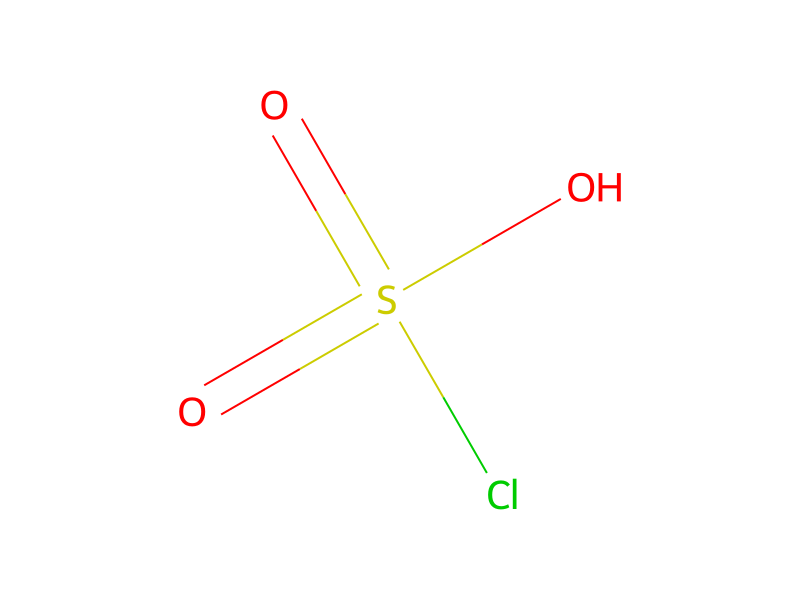


Conditions
- Temperature
- 60 °C
Procedure
(0.04 mol) of 1-[3-(4-cyano-phenyl)-propionyl]-1,2,3,4-tetrahydro-quinoline are dissolved in 16 ml of chlorosulphonic acid at 0° C. The thickly liquid mass is heated to 60° C. and hydrochloric acid develops. Then the mixture is carefully added to ice and extracted with methylene chloride, dried and concentrated by rotary evaporation.
Workup
- additionThen the mixture is carefully added to ice
- extractionextracted with methylene chloride
- customdried
- concentrationconcentrated by rotary evaporation
Sources & evidence
- ORD record
- ord-5285b9ba5df04fb09050cbddc416de01
- Source dataset
- uspto-grants-2001_10
- Patent number
- US06300342B1
Reaction notes
Loading…