Hydrochloric Acid → [2-(3-Bromophenyl)ethyl]dimethylamine hydrochloride
Reaction equation

B.[Br:2][C:3]1[CH:4]=[C:5]([CH2:9][C:10]([N:12]([CH3:14])[CH3:13])=O)[CH:6]=[CH:7][CH:8]=1.[ClH:15]>O1CCCC1>[ClH:15].[Br:2][C:3]1[CH:4]=[C:5]([CH2:9][CH2:10][N:12]([CH3:13])[CH3:14])[CH:6]=[CH:7][CH:8]=1Participants
Reactant 3


Product 1

Reagents, catalysts & solvents 1

Conditions
- Temperature
- 90 °C
Procedure
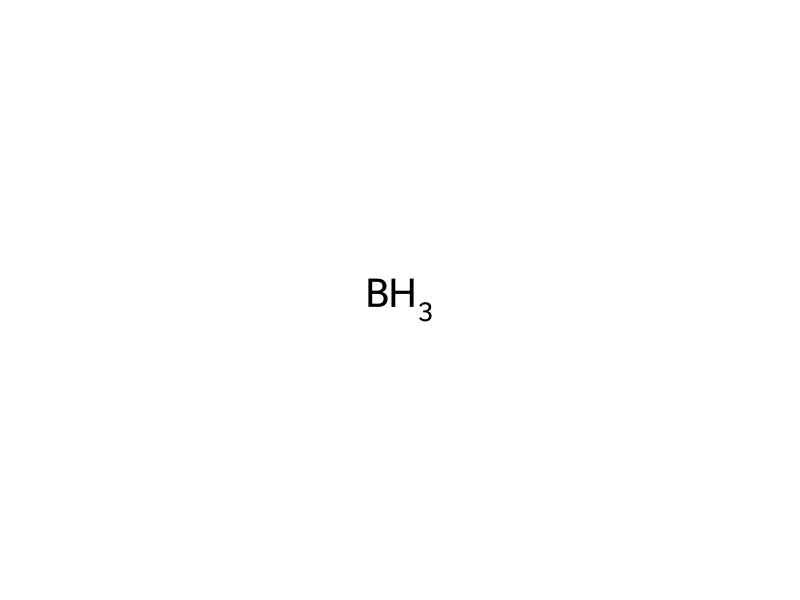
Borane in tetrahydrofuran (1.0M, 24.7 ml) was added dropwise to a tetrahydrofuran solution of 2-(3-bromophenyl)-N,N-dimethyl-acetamide (1.5 g, Example 25a)) at 0° C. Once addition was complete the solution was refluxed at 90° C. for 20 hours. The solution was cooled to room temperature, acidified with hydrochloric acid (6M, 10 ml) and refluxed for a further hour. The solution was cooled to room temperature and extracted with diethyl ether. The aqueous layer was basified with 10% aqueous sodium hydroxide and extracted with ethyl acetate. The extracts were dried over anhydrous magnesium sulfate, filtered and concentrated. The residue was converted to the hydrochloride salt by treatment with a solution of 4M hydrogen chloride in dioxan to give the sub-title compound as a hygroscopic gum (0.949 g).
Workup
- additionOnce addition
- temperatureThe solution was cooled to room temperature
- temperaturerefluxed for a further hour
- temperatureThe solution was cooled to room temperature
- extractionextracted with diethyl ether
- extractionextracted with ethyl acetate
- dry with materialThe extracts were dried over anhydrous magnesium sulfate
- filtrationfiltered
- concentrationconcentrated
Sources & evidence
- ORD record
- ord-1e1350ae58d3452e8385fb9c3fa0119a
- Source dataset
- uspto-grants-2001_10
- Patent number
- US06300352B1
Reaction notes
Loading…